Veneers 101: Transform Your Smile Without Major Dental Work

What Are Veneers?


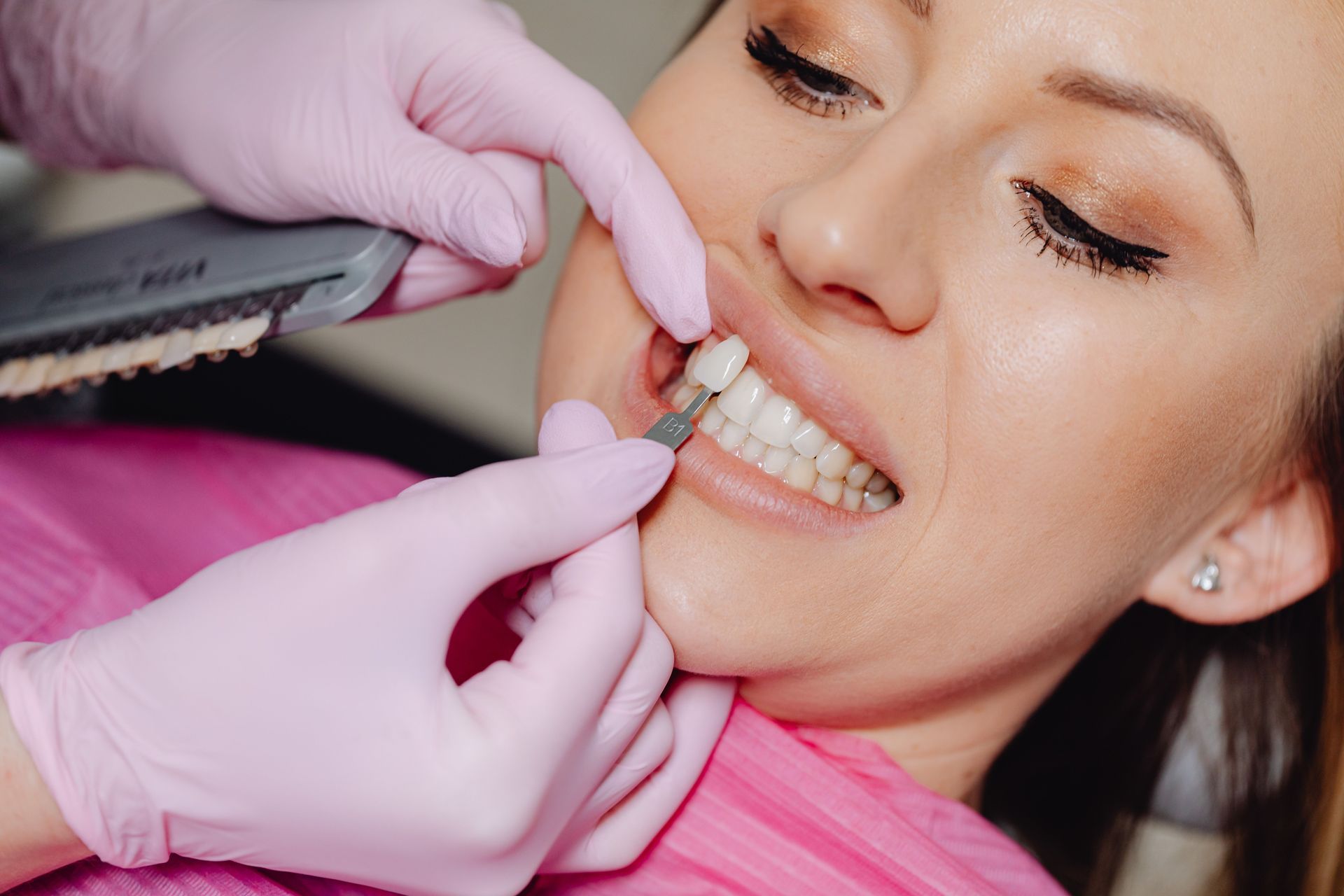
Dental veneers are thin, custom-made shells that are bonded to the front surface of your teeth. They’re designed to look and feel like natural enamel — but better! Veneers can improve the color, shape, size, and overall appearance of your teeth, creating a flawless, natural-looking smile.

There are two main types of veneers:

  • Porcelain veneers – Highly durable and stain-resistant, porcelain veneers mimic the translucency of real teeth for a natural finish.
  • Composite resin veneers – Made from tooth-colored resin, these are more affordable and can often be applied in a single visit.


Who Is a Good Candidate for Veneers?

Veneers are a great cosmetic option for people who want to correct:

  • Discolored or stained teeth that don’t respond to whitening
  • Chipped, cracked, or worn teeth
  • Uneven or slightly misaligned teeth
  • Gaps or irregular spacing
  • Teeth that are too small or oddly shaped

If your teeth and gums are healthy, you may be an excellent candidate for veneers. Your dentist will evaluate your oral health first to ensure veneers are the best option for you.


The Veneer Process: What to Expect

Getting veneers typically involves three main steps:


1. Consultation and Planning

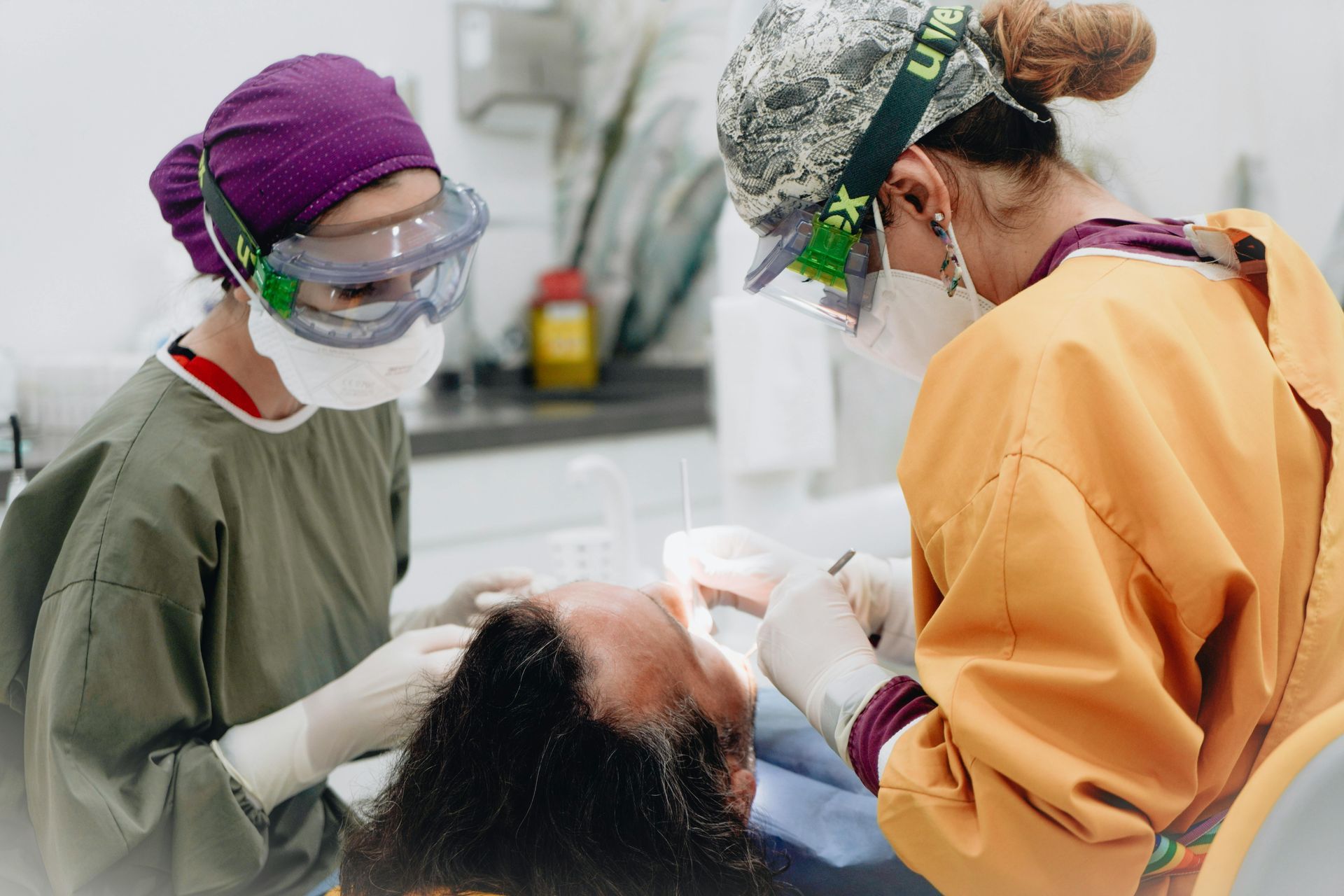
During your first visit, your dentist will discuss your smile goals and assess whether veneers are the right treatment. You may also see digital imaging or mock-ups of your potential results.


2. Tooth Preparation

A thin layer of enamel (usually less than 1 millimeter) is removed from the front of your teeth to make space for the veneers. This ensures a comfortable, natural fit.


3. Custom Veneer Placement

Once your custom veneers are ready, your dentist will carefully bond them to your teeth. The final step involves polishing and making any small adjustments to perfect your new smile.

The result? A beautiful, durable smile that looks completely natural.


Benefits of Veneers

✨ Instant transformation – Veneers can dramatically enhance your smile in just a few visits.
🦷
Natural appearance – High-quality veneers blend seamlessly with your natural teeth.
💪
Durability – Porcelain veneers can last 10–15 years or longer with proper care.
🚫
Stain resistance – Unlike natural enamel, porcelain veneers resist coffee, tea, and wine stains.
😃
Confidence boost – A beautiful smile can make a big difference in how you feel and interact with others.


Caring for Your Veneers

Taking care of veneers is easy — just follow good oral hygiene habits:

  • Brush twice daily with a non-abrasive toothpaste
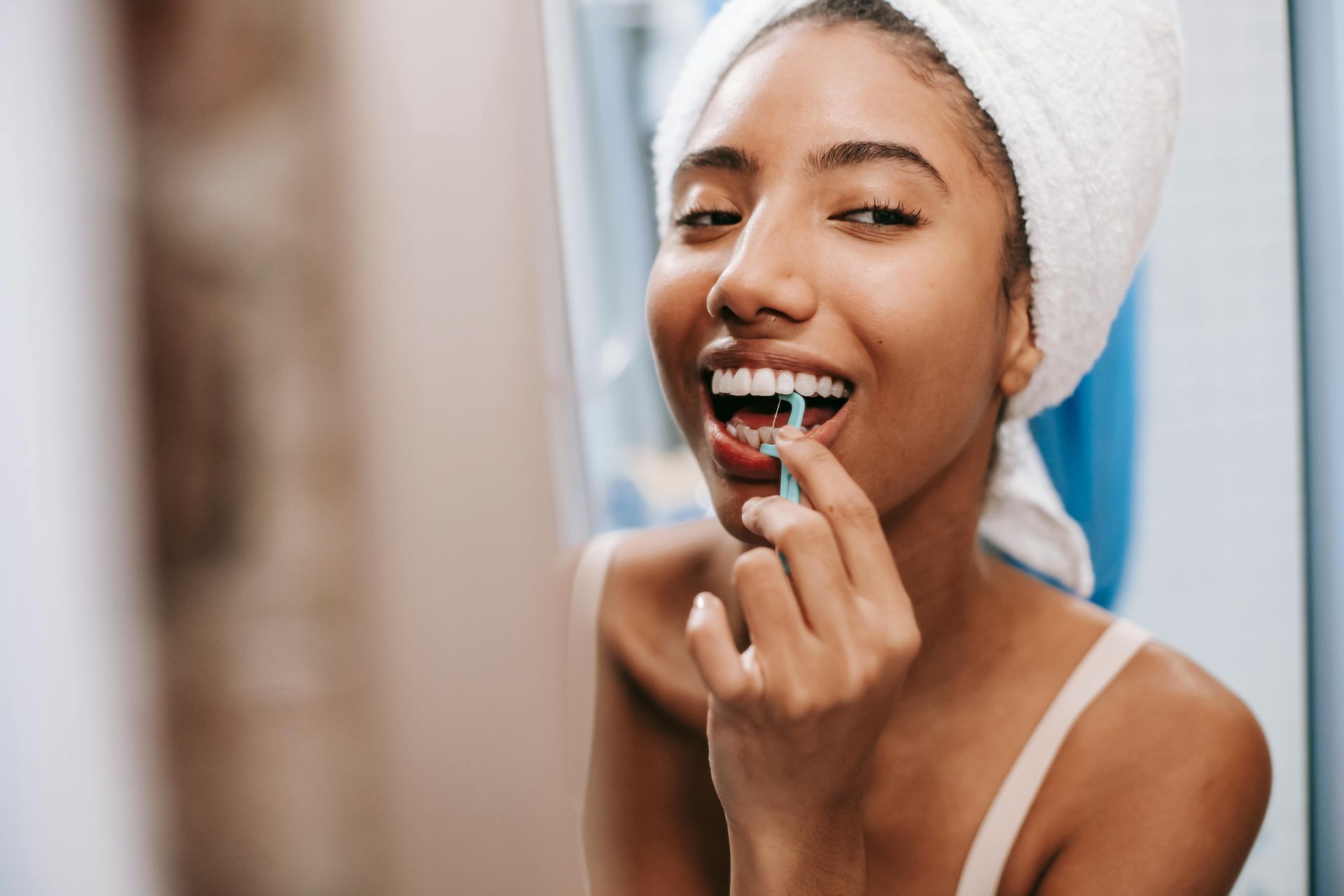
  • Floss regularly to prevent gum issues
  • Avoid biting hard objects (like ice or pens)
  • Visit your dentist every six months for checkups and cleanings

With proper care, your veneers can stay bright and beautiful for many years.


Veneers vs. Other Cosmetic Options


When it comes to improving your smile, veneers aren’t your only option — but they often provide the most dramatic and long-lasting results with minimal dental work. It helps to understand how they compare to other popular cosmetic treatments.


If your main concern is surface staining or discoloration, teeth whitening might be a good first step. Professional whitening can brighten your smile quickly, but the results usually last only six months to a year and won’t fix chips, gaps, or shape issues.


For minor chips, cracks, or small gaps, dental bonding offers a simple and affordable solution. Your dentist applies a tooth-colored resin to reshape or repair your teeth in just one visit. However, bonding isn’t as durable as veneers and typically lasts around three to five years.


Veneers, on the other hand, offer a more comprehensive transformation. They can conceal discoloration, correct slight misalignment, close gaps, and reshape teeth — all in one treatment. Veneers are also highly durable, with porcelain options lasting 10 to 15 years or even longer with proper care. Despite the powerful results, the procedure is still minimally invasive compared to more extensive treatments.


If your teeth are severely damaged or weakened, your dentist might recommend dental crowns instead. Crowns cover the entire tooth to restore strength and function, making them ideal for teeth that need more structural support.


In short, veneers strike the perfect balance — less invasive than crowns, more durable than bonding, and longer-lasting than whitening. They’re a versatile choice for anyone seeking a lasting, natural-looking smile upgrade.


Ready to Smile Brighter?

If you’re considering veneers or other cosmetic dental treatments, book a consultation today to explore your options. Your dream smile is closer than you think!


At Bogart Dental we offer only what you need dentistry in Scarborough. Call us today at 416-222-82-96 for a general review to discuss the best procedure for you.

By Elizabet Uzel July 21, 2026
A chipped tooth can happen when you least expect it. Whether you bit into something hard, suffered a sports injury, or experienced an accidental fall, seeing a piece of your tooth break off can be alarming. The good news is that many chipped teeth can be repaired quickly and effectively with modern dental treatments. If you've chipped a tooth, knowing what to do next can help reduce discomfort and protect your smile until you can visit your dentist. Step 1: Stay Calm and Assess the Damage Not every chipped tooth is a dental emergency. Some chips are small and only affect the outer enamel, while others expose deeper layers of the tooth and require immediate care. Take a look at the affected tooth in a mirror if possible. If you notice severe pain, significant bleeding, or a large portion of the tooth has broken off, contact your dentist as soon as possible. Step 2: Rinse Your Mouth Gently rinse your mouth with warm water to remove any debris and help keep the area clean. If the injury caused bleeding, apply gentle pressure with a clean piece of gauze until it stops. Step 3: Save Any Broken Pieces If you can find the chipped fragment, carefully pick it up and store it in a clean container or a small amount of milk. While it's not always possible to reattach the piece, bringing it to your dental appointment gives your dentist the opportunity to determine whether it can be used during treatment. Step 4: Protect the Tooth A chipped tooth may have sharp edges that can irritate your tongue, lips, or cheeks. If needed, cover the rough edge with temporary dental wax, available at most pharmacies, until you can see your dentist. Avoid chewing on the affected side of your mouth and stick to soft foods until the tooth has been evaluated. Step 5: Manage Discomfort If you're experiencing pain or sensitivity, consider: Taking an over-the-counter pain reliever as directed. Applying a cold compress to the outside of your cheek for 10–15 minutes at a time to reduce swelling. Avoiding extremely hot, cold, sugary, or acidic foods and beverages that may trigger sensitivity. When Should You See a Dentist? Even if the chip seems minor, it's important to schedule a dental examination. A small crack can weaken the tooth and increase the risk of further damage or decay if left untreated. Seek prompt dental care if you experience: Severe or persistent tooth pain Sensitivity that doesn't improve A large piece of the tooth has broken off The tooth appears cracked down to the gumline Swelling, bleeding, or signs of infection Difficulty biting or chewing How Dentists Repair Chipped Teeth The best treatment depends on the size and location of the chip. Your dentist may recommend one of the following options: Dental Bonding For small chips, tooth-coloured composite resin can be carefully shaped and polished to restore the tooth's natural appearance. Dental bonding is often completed in a single visit. Dental Veneers If the chip affects a front tooth or involves cosmetic concerns, a porcelain veneer may be recommended to restore both appearance and strength. Dental Crowns For larger fractures that weaken the tooth, a dental crown provides full coverage and protection while restoring function. Root Canal Treatment If the chip exposes the tooth's nerve or causes significant damage to the pulp, root canal therapy may be necessary before restoring the tooth with a crown. Can a Chipped Tooth Heal on Its Own? Unlike other parts of your body, tooth enamel does not regenerate. A chipped tooth won't repair itself, even if it doesn't hurt. That's why prompt dental care is important to prevent further damage and maintain your oral health. Tips to Prevent Chipped Teeth While accidents can't always be avoided, you can reduce your risk by: Wearing a mouthguard during contact sports. Avoiding chewing on ice, hard candies, or popcorn kernels. Never using your teeth to open packages or bottles. Wearing a nightguard if you grind or clench your teeth. Visiting your dentist regularly for preventive care and early detection of weakened teeth. Don't Ignore a Chipped Tooth A chipped tooth may seem like a minor inconvenience, but delaying treatment can lead to bigger dental problems. Early evaluation allows your dentist to recommend the most conservative and effective treatment, helping you preserve your natural tooth and avoid more extensive procedures later. If you've chipped a tooth, contact our dental team as soon as possible. We're here to provide prompt, compassionate care and restore your smile with treatment tailored to your needs. At Bogart Dental we offer only what you need dentistry in Scarborough. Call us today at 416-222-82-96 for a general review to discuss the best procedure for you.
By Elizabet Uzel February 25, 2026
What to Know Before You Brighten Your Smile
May 12, 2025
Path to a Healthier Smile
By Elizabet Uzel May 1, 2025
The Importance of Establishing Dental Habits
By Angela Serrano December 11, 2024
What is Invisalign?
By Angela Serrano December 6, 2024
Benefits of Clear Aligners
By Angela Serrano November 28, 2024
The Impact of Stress on Oral Health
By Angela Serrano November 15, 2024
The Oral-Heart Connection
By Angela Serrano November 7, 2024
The Connection Between Dental Health and Self-Esteem
By Angela Serrano November 4, 2024
Understand the Impact of Candy on Dental Health