Halloween Candy Survival Guide: Keep Your Teeth Happy This October
Understand the Impact of Candy on Dental Health
Understanding the impact of candy on dental health is crucial for maintaining a healthy smile. Sugary candies, particularly sour and sticky ones, can contribute significantly to tooth decay and weaken tooth enamel. When you eat these types of candy, sugar lingers in your mouth, promoting the growth of bacteria and leading to acid attacks on your teeth.
To minimize damage, it's advisable to consume candies that don't stick to teeth, like dark chocolate, which is less harmful than chewy candies. Sugar-free candies or gum can be a better choice for a sweet treat, as they stimulate saliva production, which helps wash away food particles and bacteria.
It’s important to consider the duration candy is in contact with your teeth. Eating candy bars over a short period of time is less damaging than indulging in sugary foods for an extended period. Maintaining good oral hygiene habits, such as brushing and flossing after consuming sweet treats, can help mitigate dental issues. Remember, the type of candy you choose and your dental hygiene practices play key roles in preserving oral health.
Identify the Worst Types of Candy for Teeth
Candy can be a fun indulgence, but not all types are equal when it comes to your dental health. The worst offenders include sticky, hard, and sour candies, each posing unique risks to your teeth. Understanding these can help you make smarter choices and maintain better oral hygiene.
Sticky Candies and Their Risks
Sticky candies, like taffy and gummy candies, are troublesome for teeth. They cling to tooth surfaces, allowing sugar to feed harmful bacteria for an extended period. This increases the risk of tooth decay and cavities, making them some of the worst choices for your dental health.
Hard Candies: A Recipe for Dental Trouble
Hard candies take a long time to dissolve, meaning sugars stay in contact with the teeth longer. These candies can also cause additional harm if bitten into, as they can lead to chipped or broken teeth. The lengthy exposure to sugar and potential for physical damage make hard candies a risky option.
Sour Candies and Their Effect on Enamel
Sour candies not only contain sugar but also have high acid levels that can erode tooth enamel. Weakening enamel can lead to increased sensitivity and vulnerability to cavities. These candies often pose a double threat to dental health, making them particularly dangerous for tooth enamel.
Highlight Better Candy Options for Dental Health
Halloween is a time of delight for candy lovers, but it's also when dental health takes center stage. Choosing the right types of candy can safeguard your teeth and maintain a healthy smile. Opt for candies that are less harmful to tooth enamel and support good oral hygiene habits.
Dark Chocolate: A Lesser Evil
Dark chocolate is a superior choice when it comes to candy bars. It contains less sugar than milk chocolate and possesses antioxidants that can help improve oral health. Moreover, dark chocolate melts quickly, minimizing the time sugar lingers in your mouth, hence reducing the risk of tooth decay.
Sugar-Free Gum: A Friendly Choice
Sugar-free gum is an excellent alternative to traditional sugary treats. Chewing gum stimulates saliva production, which helps wash away food particles and neutralize acids in the mouth. Look for gums that contain xylitol, a natural sweetener that can help prevent dental issues by reducing bacteria.
Xylitol Lollipops: The Sweet Alternative
Xylitol lollipops offer a sweet treat without the risk of tooth decay associated with sugary foods. These sugar-free candies provide a tasty alternative for those looking to enjoy candy without compromising dental health. Xylitol can reduce the growth of certain bacteria, making it a proactive choice for a healthy smile.
Practical Tips for Managing Candy Consumption
Halloween can be a challenging time for maintaining good oral health, given the abundance of sugary treats available. Being mindful of candy consumption can help prevent dental issues like tooth decay and preserve tooth enamel. It’s essential to strike a balance, enjoying the festivities without compromising your dental health. Here are some practical tips to help you manage candy consumption effectively.
Promote Moderation During Halloween
Encourage eating treats in moderation to reduce the risk of tooth decay, especially when consuming sticky candies and gummy candies that can adhere to teeth. Offer guidance on limiting the number of pieces of candy consumed in a single sitting. Choose smaller candy bars instead of full-sized ones to satisfy the sweet craving without overindulging. Moderation is key to maintaining a healthy smile while still enjoying Halloween fun.
Set Expectations for Treats Beforehand
Setting expectations for candy consumption ahead of time can help manage children’s excitement and sugar intake. Establish rules, such as choosing one or two pieces of candy post-meal, when saliva production can help neutralize acids. Discuss which types of candy are more tooth-friendly, like dark chocolate and sugar-free candies, over sugary candies and chewy candies that tend to linger in the mouth. Clear communication aids in making smarter choices during Halloween.
Encourage Regular Brushing and Flossing
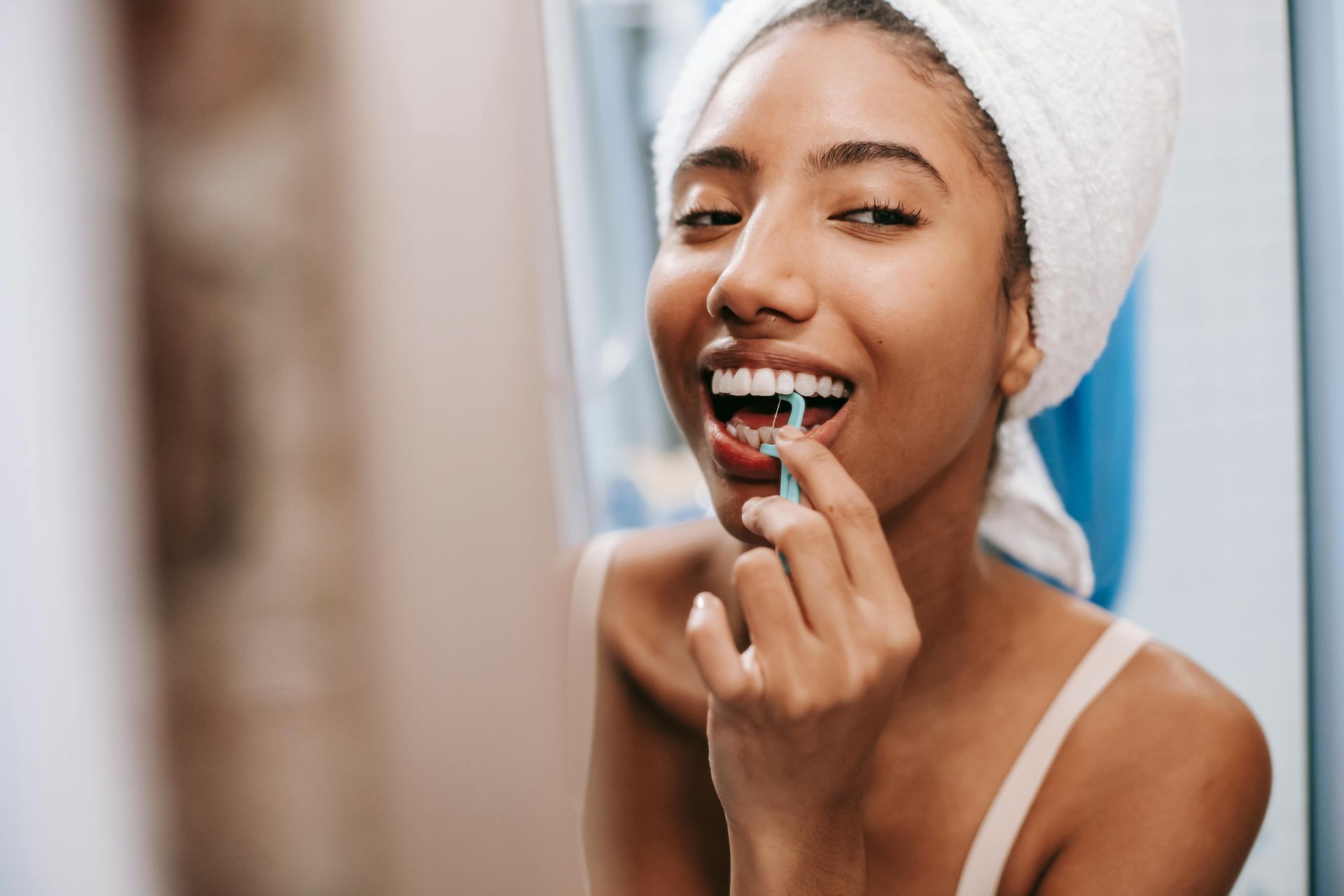
Reinforcing good dental hygiene habits is crucial in the battle against sugary foods. Advise brushing teeth at least twice a day, or preferably after consuming a sweet treat, to remove food particles that can lead to tooth decay. Incorporate flossing into the routine to ensure that hidden bits of candy between teeth are cleaned out. Combined with the use of sugar-free gum to stimulate saliva production, maintaining oral hygiene can help protect tooth enamel and prevent dental health issues that may arise from extended periods of candy consumption.
Maintain Routine Dental Visits
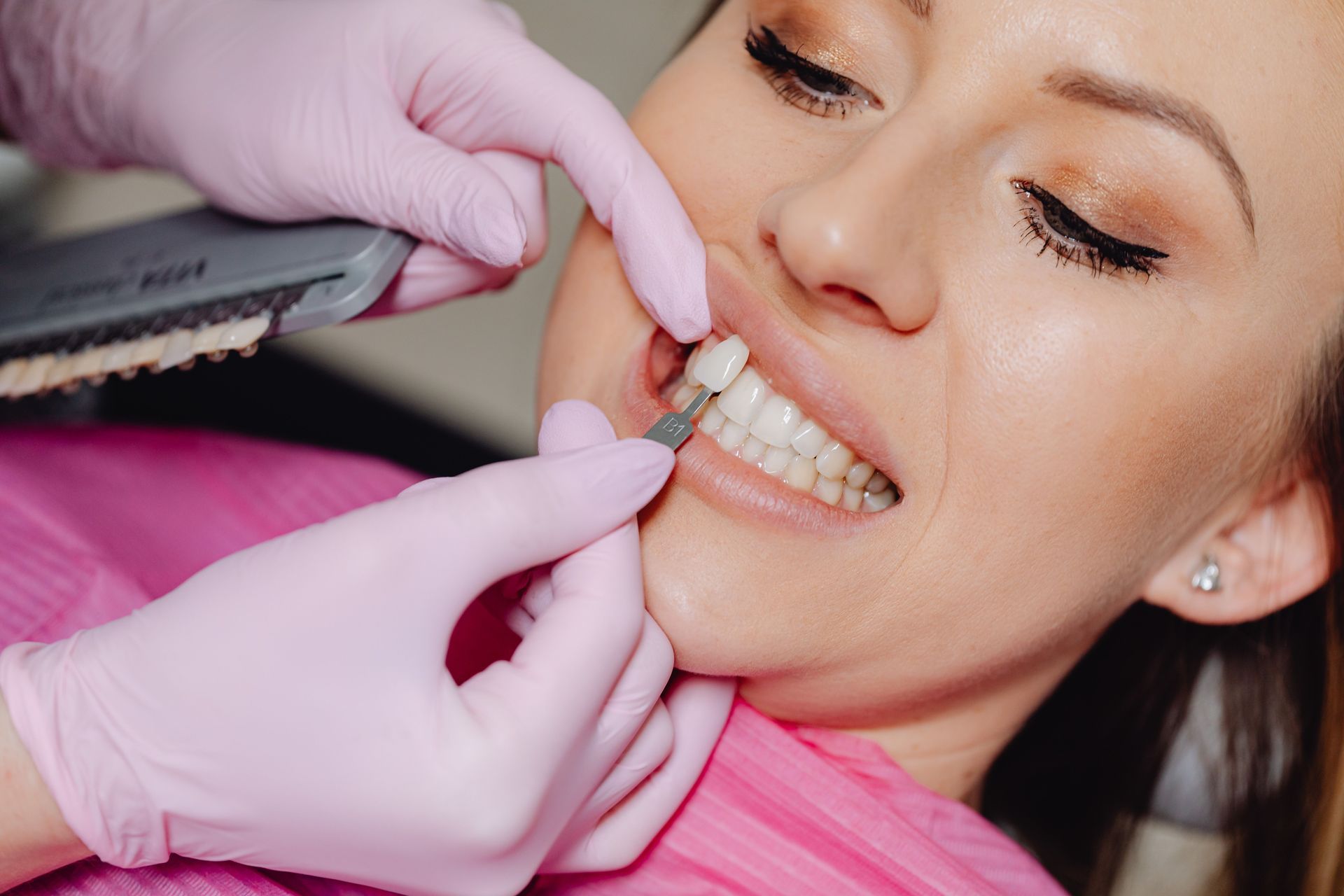
Routine dental visits are crucial for maintaining a healthy smile and preventing dental issues. Regular check-ups help detect potential problems early, such as tooth decay or gum disease, before they require more invasive treatments. Visiting the dentist every six months is generally recommended, though your dentist may suggest a different frequency based on your individual needs.
These visits typically include a professional cleaning, which is essential for removing food particles and plaque that daily brushing and flossing might miss. A dentist also checks for any signs of dental problems, providing guidance on oral hygiene habits tailored to your specific situation.
Maintaining routine dental visits supports your overall oral and dental health. They offer a chance to discuss any concerns, receive personalized recommendations, and ensure your oral hygiene habits are effective. By sticking to a regular schedule, you can prevent more serious dental issues from developing over time.
Creating a Balanced Approach to Halloween Treats
Halloween is a time for fun and treats, but it's important to balance enjoyment with dental health. While indulging in candies is part of the celebration, making informed choices can protect your teeth from decay. Dark chocolate is a better option for your teeth compared to other sugary treats because it contains less sugar and can be consumed in smaller pieces. On the other hand, sticky candies like taffy and gummy candies cling to teeth, increasing the risk of tooth decay.
Chewy and sour candies are especially harmful, as they can erode tooth enamel and linger in your mouth for extended periods of time. To counteract this, consider sugar-free candies or gum to stimulate saliva production, which helps wash away food particles and sugar from teeth. Incorporating sugar-free gum into your routine after eating candy can improve oral hygiene habits.
To maintain a healthy smile, prioritize brushing and flossing after consuming sugary foods. Limiting the frequency of candy consumption also reduces the risk of dental issues. By staying mindful of your candy choices and dental hygiene, you can enjoy Halloween treats without compromising your oral health.
At Bogart Dental we offer only what you need dentistry in Scarborough. Call us today at 647-955-3235 for a general review to discuss the best procedure for you.