The Real Deal on Veneers: Dispelling Misconceptions and Myths
Definition of Dental Veneers
In a world where first impressions matter, a dazzling smile can open doors. However, the journey to achieving that perfect smile often leads to confusion filled with myths and misconceptions, particularly about dental veneers.
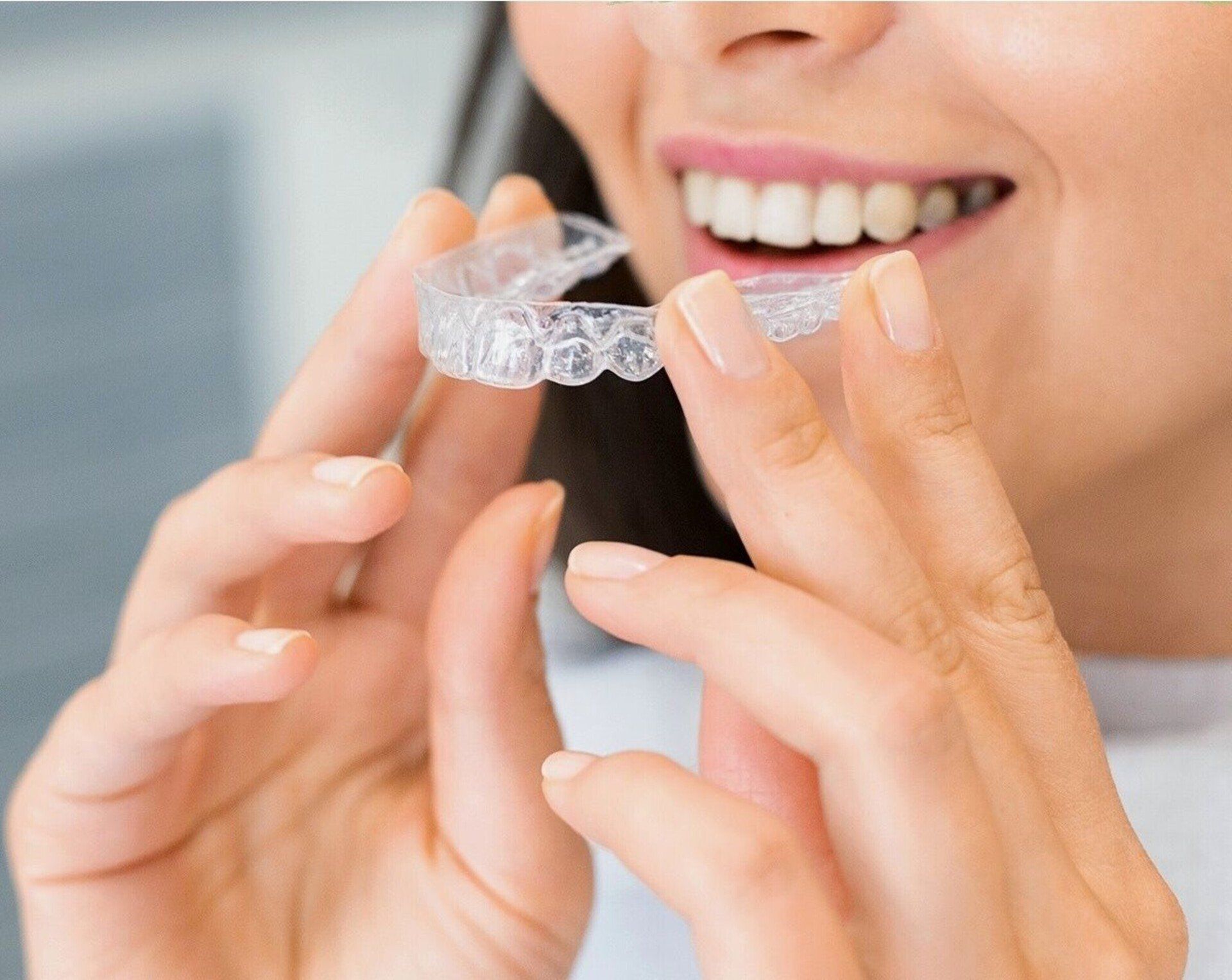
Dental veneers are ultra-thin shells that are custom-made to cover the front surface of teeth, essentially transforming their appearance. With benefits ranging from improved aesthetics to enhanced self-esteem, veneers have become an increasingly popular choice for those seeking a smile makeover.
Yet, despite their growing prevalence, misinformation abounds regarding veneers, from concerns about their appearance to the assumption that they are only for the affluent. In this article, we will clarify what veneers truly are, explore their benefits, and debunk common misconceptions to help you make informed decisions about your dental options.
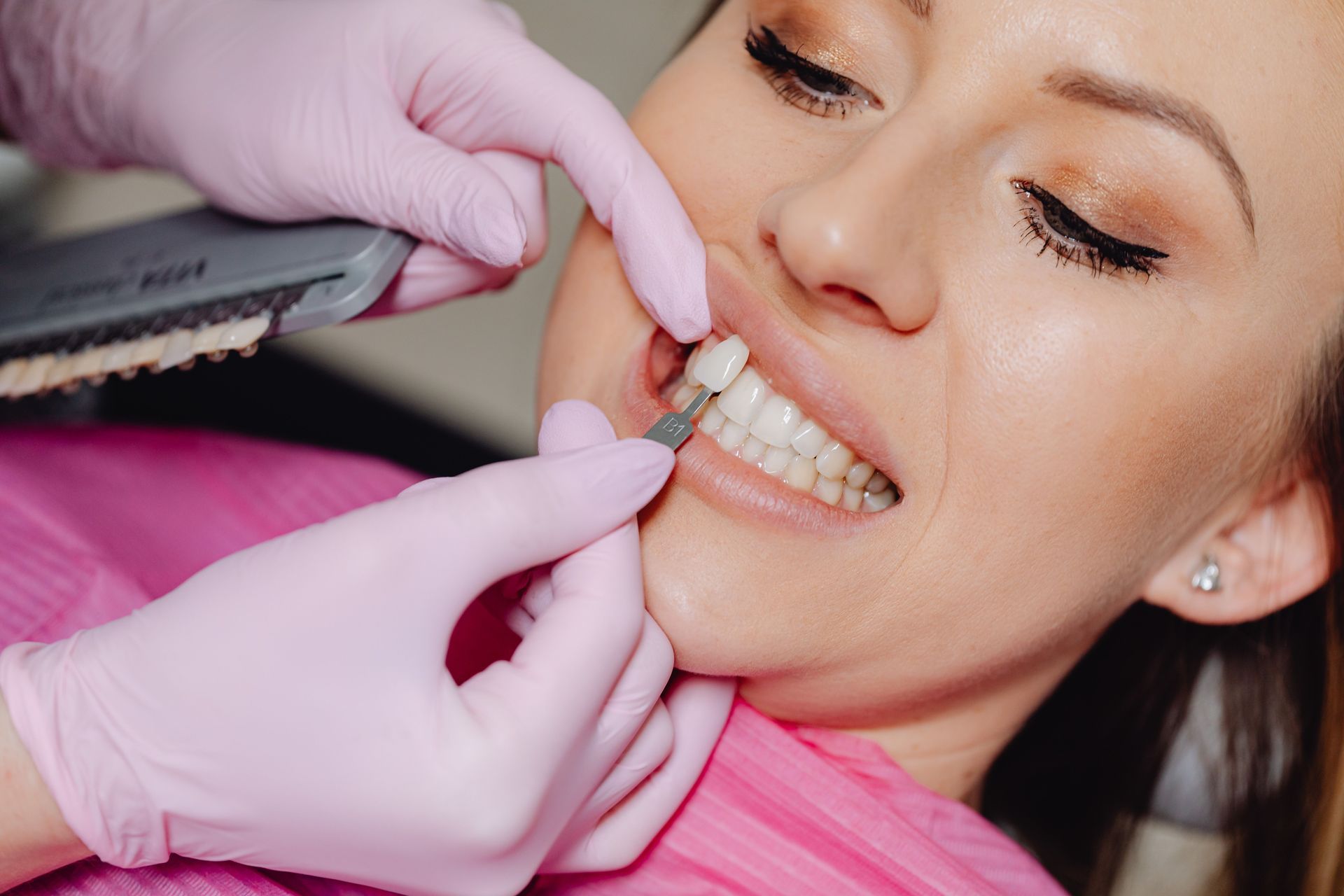
Dental veneers, often used for cosmetic purposes, are thin, custom-made shells primarily designed to cover the front surface of teeth. By adhering these shells onto the existing tooth structure, they improve the overall appearance of teeth. Commonly fabricated from porcelain or composite resin materials, these versatile dental appliances can effectively address various aesthetic concerns.
Conditions suitable for the application of dental veneers include discolored teeth, whether from root canal treatment, stains from certain drugs, excessive fluoride, or large resin fillings that have discolored the tooth. Veneers also resolve teeth that are worn down, chipped or broken, misaligned, uneven, or irregularly shaped (for instance, with craters or bulges). Furthermore, they can fill gaps between teeth, contributing to a beautiful smile.
Overall, dental veneers offer a conservative approach to changing a tooth's color and shape; they don't require the extensive shaping that crowns do, yet offer a stronger, more aesthetically appealing alternative. However, once in place, the underlying natural teeth remain largely intact with only a minimal amount being altered to fit the veneer. When dental veneers are properly cared for, they can last for many years, substantially enhancing the natural beauty and function of one's smile.
Benefits of Dental Veneers
Dental veneers have revolutionized the way we can enhance and restore smiles. They serve as a versatile solution for a multitude of cosmetic dental concerns, yielding benefits that go beyond mere aesthetics. But what exactly are these benefits?
The primary advantages of choosing dental veneers involve their capacity to recreate the natural appearance of teeth while also providing strength and resilience comparable to natural tooth enamel. Modern veneers, using advanced dental technology and quality materials like porcelain or composite resin, are durable, resisting stains and mimicking the light-reflecting properties of real teeth.
Improved Aesthetics
One of the main motivations for individuals choosing dental veneers is the significant improvement in the appearance of teeth. Veneers are custom-made to the contour of each tooth and can alter various aspects of your smile to meet personal preferences.
Appearance of Teeth: Veneers cover imperfections such as:
- Discoloration that cannot be fixed by whitening
- Worn enamel
- Chips or minor breakage
- Uneven or misaligned teeth
- Undesirable gaps between teeth
The result is a seamless finish, giving the illusion of a perfect, undamaged tooth surface. Porcelain veneers, in particular, possess a translucent quality that closely resembles the reflective nature of natural tooth structures, thus ensuring that veneers blend indistinguishably with your real teeth.
Enhanced Self-esteem
A gorgeous, healthy smile does more than improve the physical appearance—it can significantly boost a person's self-confidence and self-esteem. Dental treatments that improve the aesthetic appeal of a smile, such as dental veneers, can thus have profound psycho-social benefits.
Patients often report increased confidence in social interactions, a greater willingness to smile, and a general enhancement of their over-all well-being post-treatment. Such emotional improvements are regarded as collateral benefits to the physical transformation, indicating the profound impact oral health and aesthetics can have on a person's life and mental state.
Moreover, this newfound confidence can have ripple effects in professional contexts, where a beautiful smile might be associated with competence and approachability. In essence, by addressing cosmetic concerns, veneers indirectly aid in the pursuit of personal and professional success.
In summary, dental veneers offer a multitude of benefits—far-reaching ones that extend beyond the visible. Proper care, a commitment to oral hygiene, and regular visits to a cosmetic dentist can ensure these benefits last, ultimately providing more than just a perfect smile but a gateway to greater life satisfaction.
Common Misconceptions about Veneers
Despite the popularity of dental veneers in achieving a beautiful smile, there are common misconceptions that may deter some individuals from considering this dental procedure. Modern veneers have significantly advanced with dental technology, offering a more natural and durable solution than ever before. Yet, misinformation persists. Some believe that veneers don't resemble natural teeth, require significant alteration of the natural tooth structure, or are exclusively for the aesthetic enhancement of front teeth. Such common myths can lead to hesitation about a treatment that could greatly improve oral health and the appearance of teeth.
Myths about appearance: Do veneers look fake?
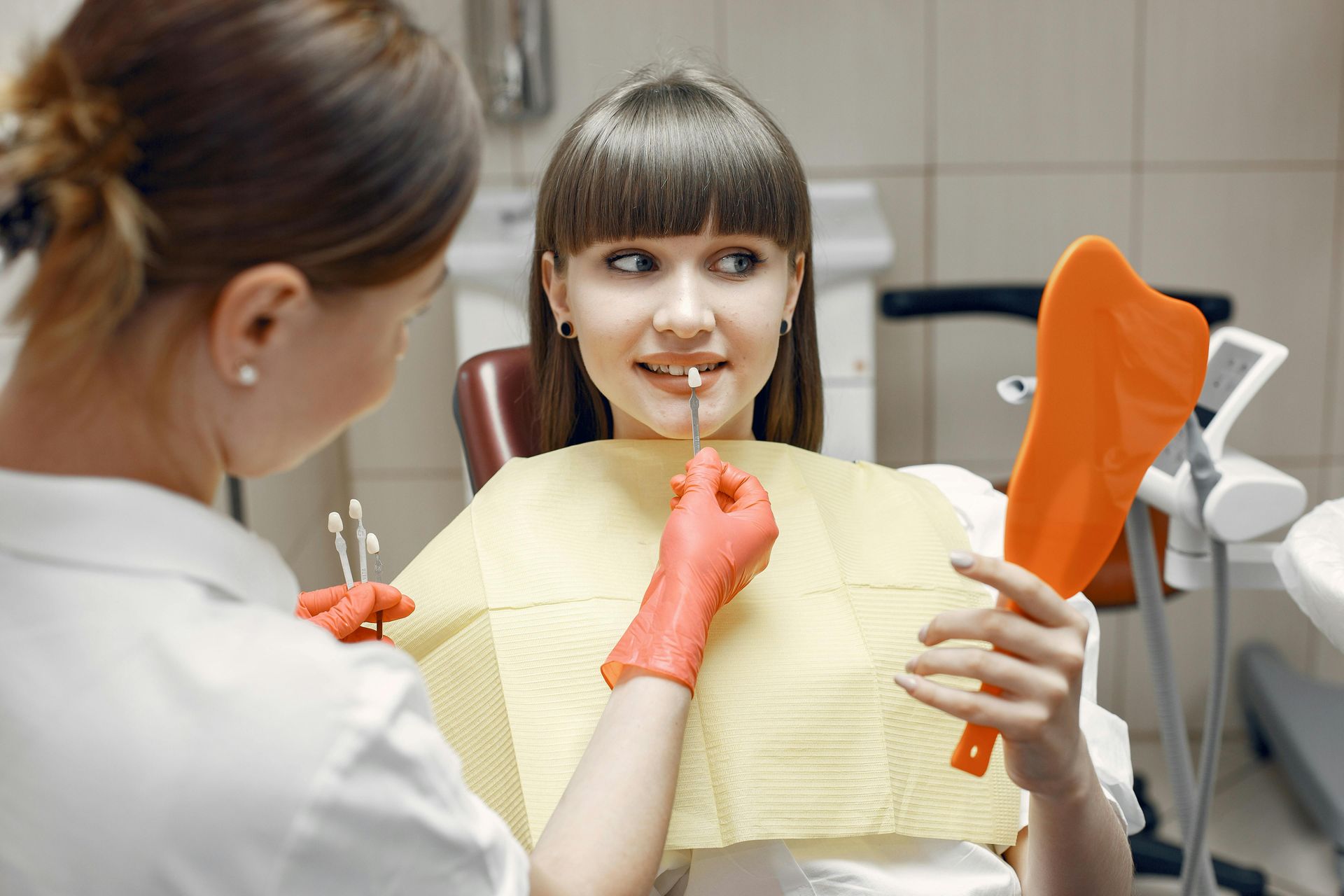
One of the most prevalent myths surrounding dental veneers is that they give teeth an unnatural, fake appearance. In reality, cosmetic dentists work meticulously to ensure that the color, shape, and texture of Porcelain Veneers or composite veneers match the surrounding natural teeth, resulting in a seamless and authentic look.
The truth about tooth alteration requirements
Another common misconception is that getting veneers requires heavy grinding down of your real teeth, compromising the natural tooth structure. Dental technology has evolved to where modern veneers can be extremely thin—sometimes as minimal as 0.3 to 0.5 millimeters—and may require only a slight etching of the surface of teeth to ensure a secure and proper fit. The extent of alteration varies depending on the type of veneers and the specific dental needs of the patient. Importantly, a reputable cosmetic dentist aims to preserve as much natural tooth enamel as possible, adhering to the principle of minimally invasive dentistry.
Are veneers only suitable for front teeth?
The notion that veneers are only applicable to front teeth is another common myth. Although veneers are predominantly used to enhance the appearance of the front teeth due to their visibility when smiling, they can also be used on the premolars and other teeth that may be visible when speaking or smiling broadly. Dental veneers can correct various dental issues such as gaps between teeth, misaligned teeth, and teeth with minor shape discrepancies. With proper care and oral hygiene, veneers can contribute to a perfect smile and improved function beyond just the front teeth.
In conclusion, understanding the facts about dental veneers can dispel the common misconceptions that prevent people from achieving their ideal smile. Considering the advancements in dental treatment and technology, veneers can offer a reliable, durable, and aesthetically pleasing solution for a wide range of dental concerns.
Conclusion: Making Informed Decisions about Veneers
When considering dental veneers, it's essential to separate fact from fiction to make an informed decision. Modern veneers, made from porcelain or composite resin, are a popular dental treatment to improve the appearance of teeth, addressing issues such as gaps, misalignment, discoloration, or damage. However, it's a misconception that veneers entirely replace natural teeth. Instead, they bond to the surface of teeth, preserving much of the natural tooth structure.
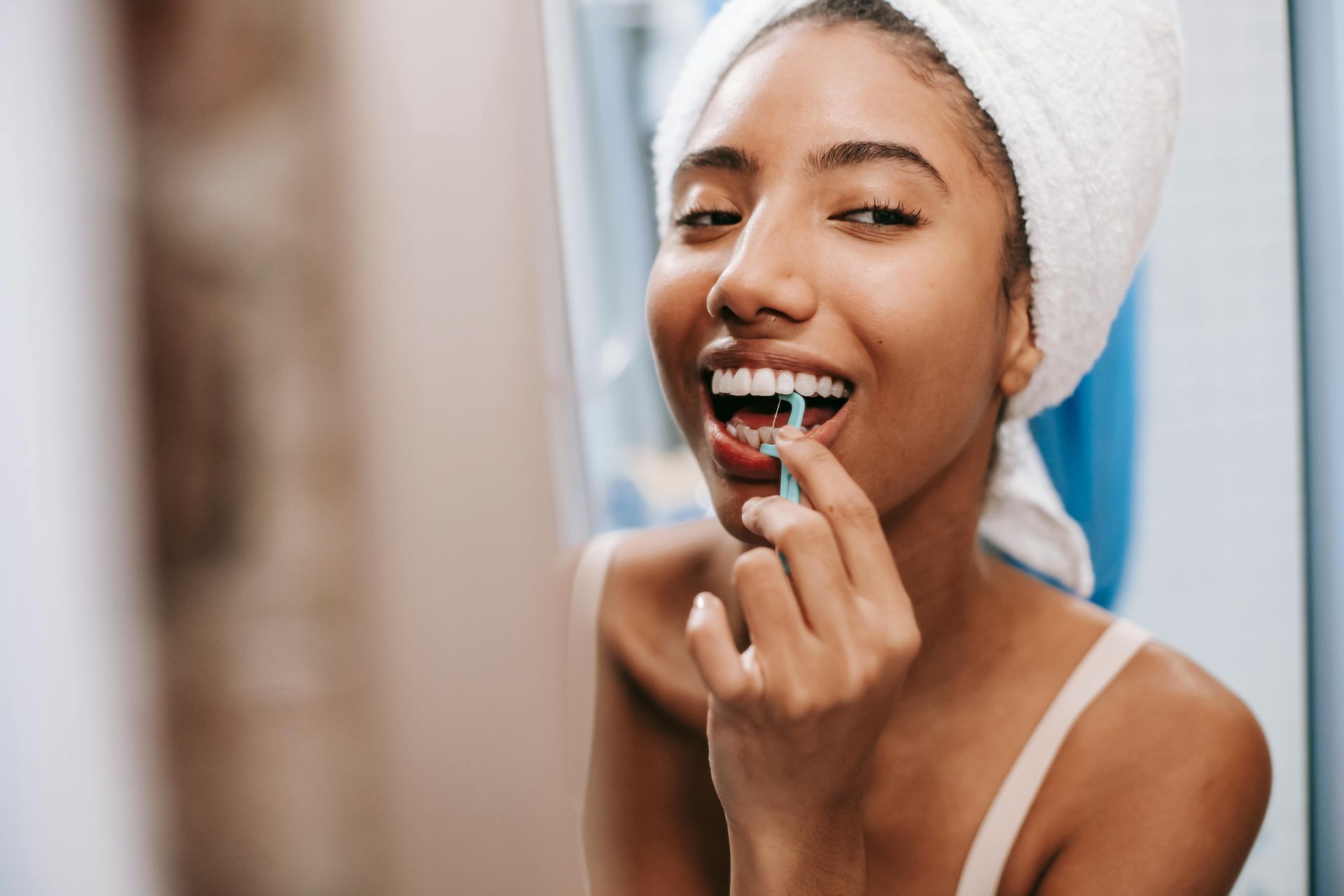
It is crucial to remember that proper care extends the life of veneers, and maintaining good oral hygiene is vital. Consult with cosmetic dentists who are adept at using the latest dental technology to ensure a beautiful smile without compromising oral health. Dental veneers are a significant investment in your smile, and they require consideration about their long-term impact, costs, and the commitment to maintaining them.
Keep in mind that while veneers aim for a perfect smile, having realistic expectations and understanding the limitations is important. Veneers for cosmetic purposes have transformed many smiles, but the best approach is a thorough discussion with a skilled dentist to determine if they're the right choice for your oral health needs and aesthetic goals.
Veneers can offer a path to a beautiful smile, but they should be chosen with care and a full understanding of the procedure and upkeep.
At Bogart Dental we offer only what you need dentistry in Scarborough. Call us today at 647-955-3235 for a general review to discuss the best procedure for you.