The Danger of Diabetes and your Oral Health

Diabetes and Your Oral Health


Over 29 million Americans have diabetes...that’s over 9% of our population. These millions of people find ways to live with their symptoms and complications every day, including an increased risk of oral health issues. November is American Diabetes Month, but at Dental Associates we focus extra attention on our patients with diabetes throughout the entire year. Therefore, we’d like to take this opportunity to help you understand how diabetes affects your oral health, and also let you know how Dental Associates’ dentists help those with diabetes to effectively manage the disease.


What is Diabetes?

Type 2 diabetes is the most common type of diabetes. Those with type 2 diabetes have insulin resistance, in which their bodies do not use insulin properly. Though their bodies try to produce extra insulin to make up for the deficiency, over time they are not able to keep up and cannot regulate their insulin levels. Insulin is a hormone made by the pancreas that allows your body to use sugar (glucose) from carbohydrates in the food that you eat for energy or to store glucose for future use. Insulin helps keeps your blood sugar level from getting too high (hyperglycemia) or too low (hypoglycemia).

How Does Diabetes Affect Oral Health?

Diabetes affects your mouth in a few ways:

  • Diabetes weakens the gums. If there’s too much glucose in a person’s system, blood vessels can’t function properly. Since your mouth has millions of bacteria in it, those with diabetes can’t properly fight the bacteria, thus the gums will weaken and develop disease faster.
  • Diabetes can lead to periodontal disease. Because blood vessels are impaired, the flow of nutrients and removal of body wastes are impaired and this will weaken the gums and bone making them more susceptible to infection; those with diabetes are at higher risk for periodontal disease.

In short, if you have elevated levels of sugar, the bacteria in your mouth will thrive on that and begin to breakdown the teeth and gums more quickly.

What We Do to Help Patients with Diabetes

Our dentists are experienced in helping patients with diabetes. They might recommend additional cleanings (learn more below), and will also teach you how to brush and how to floss properly to make sure you’re reducing the levels of bacteria in your mouth as much as possible. So in addition to the extra cleanings every year, we want to give you the tools you need to help keep your mouth healthy all the time.

Evidence-Based Integrated Care Plans

We want to make sure that we help patients with diabetes have the best oral health possible. That’s why we offer evidence-based integrated care plans. With an understanding of the science and relationship between diabetes and periodontal disease, we can help you better maintain your oral health, better control your diabetes, and overall general health.

Overall, we know that if we can improve your oral health, we can help control your diabetes as well.

Additional Dental Coverage for Patients with Diabetes

If you have diabetes and you think you may need additional cleanings to improve your oral health, check with your insurance plan to see if you have that benefit in your dental plan. Many dental plans have benefits for evidence-based integrated care plans.

Our providers are aware of evidence-based integrated care plans. One such care plan is available through CarePlus Dental Plans. If you have certain systemic conditions including diabetes, CarePlus has a benefit for additional dental care. Since Dental Associates is the exclusive provider for CarePlus dental insurance, you would enjoy the benefits of evidence-based integrated care plans. Learn more about CarePlus dental insurance.

Ensuring good oral health starts with recognizing that there is a strong connection between the body and mouth. Having diabetes and ensuring good oral health is a two-way street: your periodontal health can affect your diabetes, and your diabetes can affect your periodontal health.


Give us a call at 647-955-3235 today to speak to one of our team members regarding any questions, concerns or symptoms you may be having. At Bogart Dental we are here to provide you with only what you need dentistry in Scarborough.

By Elizabet Uzel July 21, 2026
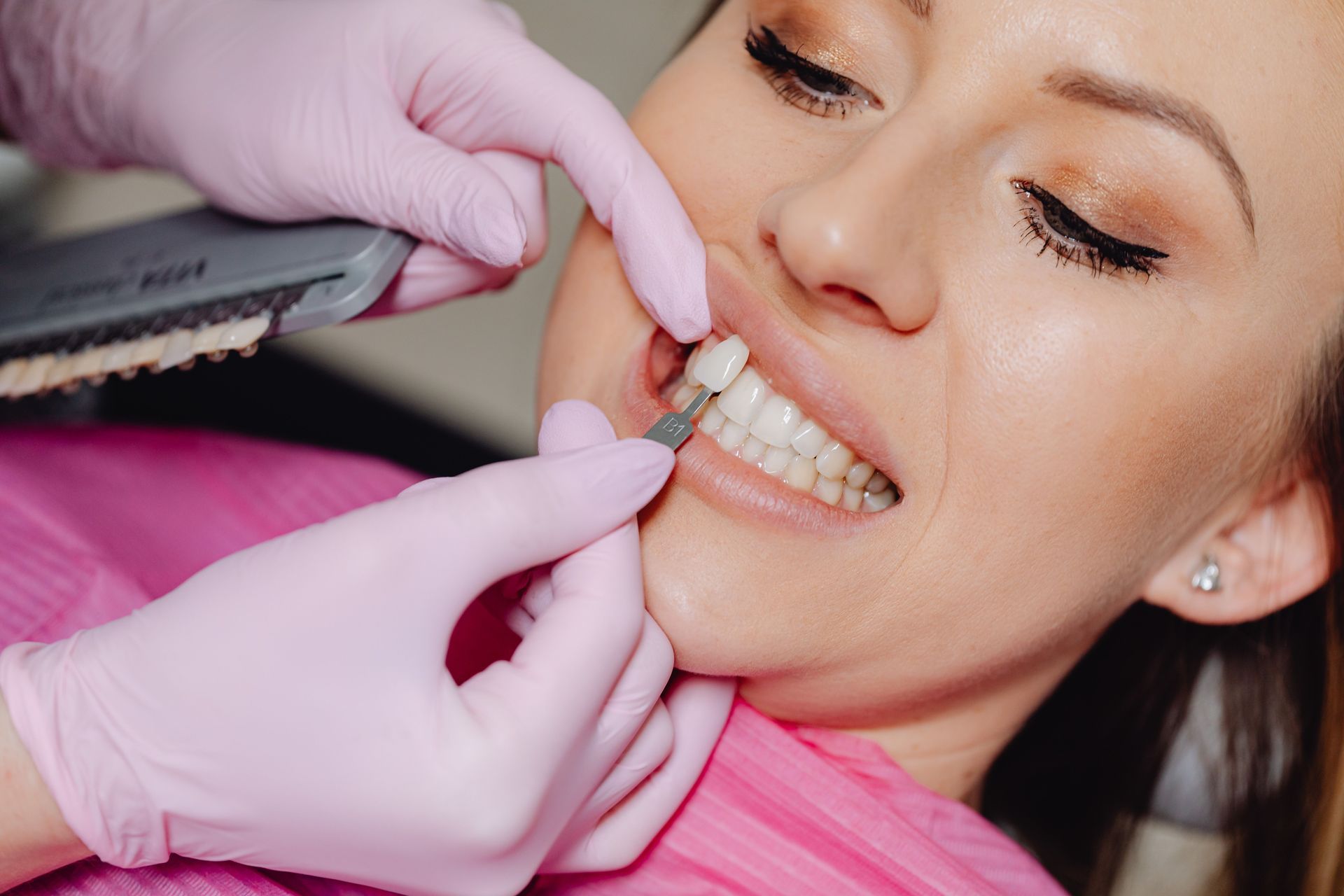
A chipped tooth can happen when you least expect it. Whether you bit into something hard, suffered a sports injury, or experienced an accidental fall, seeing a piece of your tooth break off can be alarming. The good news is that many chipped teeth can be repaired quickly and effectively with modern dental treatments. If you've chipped a tooth, knowing what to do next can help reduce discomfort and protect your smile until you can visit your dentist. Step 1: Stay Calm and Assess the Damage Not every chipped tooth is a dental emergency. Some chips are small and only affect the outer enamel, while others expose deeper layers of the tooth and require immediate care. Take a look at the affected tooth in a mirror if possible. If you notice severe pain, significant bleeding, or a large portion of the tooth has broken off, contact your dentist as soon as possible. Step 2: Rinse Your Mouth Gently rinse your mouth with warm water to remove any debris and help keep the area clean. If the injury caused bleeding, apply gentle pressure with a clean piece of gauze until it stops. Step 3: Save Any Broken Pieces If you can find the chipped fragment, carefully pick it up and store it in a clean container or a small amount of milk. While it's not always possible to reattach the piece, bringing it to your dental appointment gives your dentist the opportunity to determine whether it can be used during treatment. Step 4: Protect the Tooth A chipped tooth may have sharp edges that can irritate your tongue, lips, or cheeks. If needed, cover the rough edge with temporary dental wax, available at most pharmacies, until you can see your dentist. Avoid chewing on the affected side of your mouth and stick to soft foods until the tooth has been evaluated. Step 5: Manage Discomfort If you're experiencing pain or sensitivity, consider: Taking an over-the-counter pain reliever as directed. Applying a cold compress to the outside of your cheek for 10–15 minutes at a time to reduce swelling. Avoiding extremely hot, cold, sugary, or acidic foods and beverages that may trigger sensitivity. When Should You See a Dentist? Even if the chip seems minor, it's important to schedule a dental examination. A small crack can weaken the tooth and increase the risk of further damage or decay if left untreated. Seek prompt dental care if you experience: Severe or persistent tooth pain Sensitivity that doesn't improve A large piece of the tooth has broken off The tooth appears cracked down to the gumline Swelling, bleeding, or signs of infection Difficulty biting or chewing How Dentists Repair Chipped Teeth The best treatment depends on the size and location of the chip. Your dentist may recommend one of the following options: Dental Bonding For small chips, tooth-coloured composite resin can be carefully shaped and polished to restore the tooth's natural appearance. Dental bonding is often completed in a single visit. Dental Veneers If the chip affects a front tooth or involves cosmetic concerns, a porcelain veneer may be recommended to restore both appearance and strength. Dental Crowns For larger fractures that weaken the tooth, a dental crown provides full coverage and protection while restoring function. Root Canal Treatment If the chip exposes the tooth's nerve or causes significant damage to the pulp, root canal therapy may be necessary before restoring the tooth with a crown. Can a Chipped Tooth Heal on Its Own? Unlike other parts of your body, tooth enamel does not regenerate. A chipped tooth won't repair itself, even if it doesn't hurt. That's why prompt dental care is important to prevent further damage and maintain your oral health. Tips to Prevent Chipped Teeth While accidents can't always be avoided, you can reduce your risk by: Wearing a mouthguard during contact sports. Avoiding chewing on ice, hard candies, or popcorn kernels. Never using your teeth to open packages or bottles. Wearing a nightguard if you grind or clench your teeth. Visiting your dentist regularly for preventive care and early detection of weakened teeth. Don't Ignore a Chipped Tooth A chipped tooth may seem like a minor inconvenience, but delaying treatment can lead to bigger dental problems. Early evaluation allows your dentist to recommend the most conservative and effective treatment, helping you preserve your natural tooth and avoid more extensive procedures later. If you've chipped a tooth, contact our dental team as soon as possible. We're here to provide prompt, compassionate care and restore your smile with treatment tailored to your needs. At Bogart Dental we offer only what you need dentistry in Scarborough. Call us today at 416-222-82-96 for a general review to discuss the best procedure for you.
By Elizabet Uzel February 25, 2026
What to Know Before You Brighten Your Smile
By Elizabet Uzel October 28, 2025
What Are Veneers?
May 12, 2025
Path to a Healthier Smile
By Elizabet Uzel May 1, 2025
The Importance of Establishing Dental Habits
By Angela Serrano December 11, 2024
What is Invisalign?
By Angela Serrano December 6, 2024
Benefits of Clear Aligners
By Angela Serrano November 28, 2024
The Impact of Stress on Oral Health
By Angela Serrano November 15, 2024
The Oral-Heart Connection
By Angela Serrano November 7, 2024
The Connection Between Dental Health and Self-Esteem