Root Canal Treatments: Know the Steps Involved

Root Canal Treatments: Know the Steps Involved


Root canal therapy is also known as endodontic therapy used to eliminate the infected pulp of the tooth, disinfection, cleaning, and decontamination with irrigating solutions. Pulp is a soft tissue beneath the enamel and dentin and found inside each tooth.

The pulp contains nerves, blood vessels, and connective tissues. It is necessary for the development of teeth. But after full development, a tooth can survive without pulp as it takes nourishment from surrounding tissues. Removing the infected pulp helps preserve the health of the tooth.


Indication for Root Canal Treatment

The root canal treatment benefits those who have infection or inflammation in the tooth pulp. The signs that show you need endodontic therapy are:

  • Severe pain while biting or chewing
  • Pimples on the gum area.
  • Sensitivity to hot and cold.
  • Deep decay.
  • Tooth discoloration
  • A chipped or cracked tooth.

What to Expect During Procedure?

Root canal procedure may seem scary. But the root canal treatment provides relief from pain and also recovery time is minimal. You may feel little to no pain with the local anesthesia.

It may involve one or two visits over some time depending on the circumstances. Here is a step-by-step guide of what you can expect during the dental process:


Diagnostic and Preparation

Many diagnostic tests help in the diagnosis of the pulp and the surrounding tissues to understand the problem and treat it effectively. It may include a physical examination of the tooth and X-ray imaging of the tooth to visualize the pulp chamber.

Removal of Pulp Tissue

A tooth’s pulp becomes infected or inflamed due to deep decay, crack or chip in the tooth, large fillings, or trauma. When pulp is damaged, the bacteria start growing in the pulp chamber. It can infect the tooth or pus-filled pockets form at the root of the tooth.

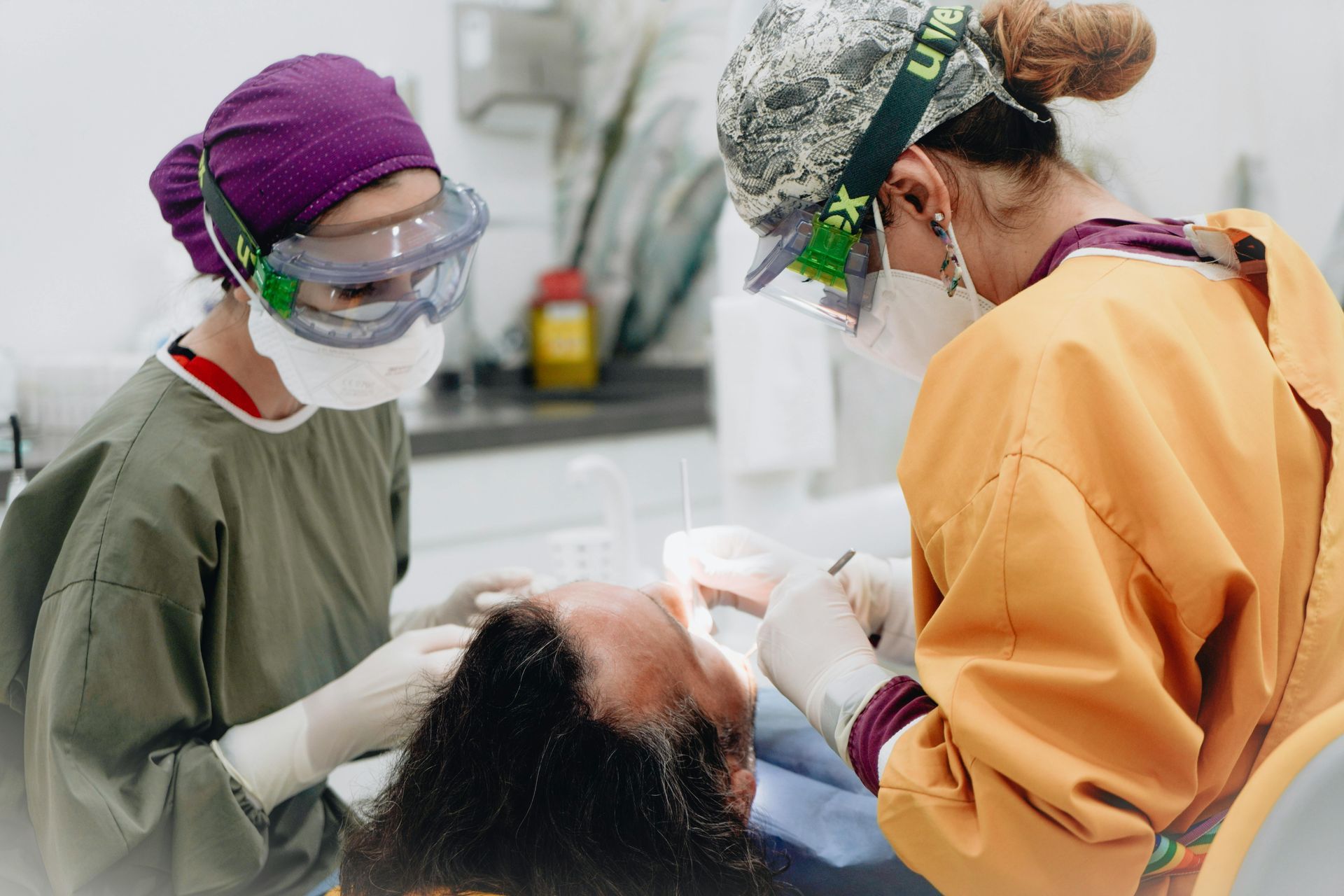
Your dentist or endodontist near you uses a local anesthetic to numb the area around the tooth for comfort. The dentist will place a rubber dam over the tooth so that your mouth can stay clean and isolated from saliva. It will prevent infected pulp from spreading to the rest of the mouth.

An opening is made through the tooth and pulp is removed from canals and chamber. After canals are cleaned with disinfecting solutions, a series of files are used to shape the canals and to make sure that all of the infected tooth structure is removed. The dental expert also ensures there is adequate room for root canal filling.


Filling the Root Canal

Once the tooth is cleaned, it is sealed. If you have an infection, your dentist will wait for a week before sealing your teeth otherwise he or she will seal it on the same day it is cleaned.

If a root canal is not done on the same day, the dentist will put a medication inside your tooth to clear it up. A temporary filling is placed in the hole of the tooth to keep out foods and saliva between appointments.

In the second appointment, your dentist will again numb the area around the tooth, put a rubber dam, and remove the temporary filling. A post may be placed down in one of the canals that will provide an anchor for the permanent filling. The dental professional fills the decontaminated root canals with gutta-percha and zinc oxide eugenol cement.


Final Restoration

A tooth that has had endodontic therapy should be protected by the crown that will cover the tooth. A crown is a must to preserve your tooth from any fracturing in the future. This treatment involves removing a significant amount of tooth structure. Your dentist may recommend any additional dental work if needed.

It’s important to take care of your tooth. You should avoid biting hard foods until your treatment is completed. After the treatment, your tooth will no longer painful.

Although you may feel sensitivity or mild discomfort for a few days after the treatment, which is manageable with painkillers. But it is only for a short while. consult with your dentist you still suffering from pain even after taking the painkiller.


Bogart Dental offers only what you need dentistry in Scarborough. Give us a call today at 647-955-3235.


By Elizabet Uzel July 21, 2026
A chipped tooth can happen when you least expect it. Whether you bit into something hard, suffered a sports injury, or experienced an accidental fall, seeing a piece of your tooth break off can be alarming. The good news is that many chipped teeth can be repaired quickly and effectively with modern dental treatments. If you've chipped a tooth, knowing what to do next can help reduce discomfort and protect your smile until you can visit your dentist. Step 1: Stay Calm and Assess the Damage Not every chipped tooth is a dental emergency. Some chips are small and only affect the outer enamel, while others expose deeper layers of the tooth and require immediate care. Take a look at the affected tooth in a mirror if possible. If you notice severe pain, significant bleeding, or a large portion of the tooth has broken off, contact your dentist as soon as possible. Step 2: Rinse Your Mouth Gently rinse your mouth with warm water to remove any debris and help keep the area clean. If the injury caused bleeding, apply gentle pressure with a clean piece of gauze until it stops. Step 3: Save Any Broken Pieces If you can find the chipped fragment, carefully pick it up and store it in a clean container or a small amount of milk. While it's not always possible to reattach the piece, bringing it to your dental appointment gives your dentist the opportunity to determine whether it can be used during treatment. Step 4: Protect the Tooth A chipped tooth may have sharp edges that can irritate your tongue, lips, or cheeks. If needed, cover the rough edge with temporary dental wax, available at most pharmacies, until you can see your dentist. Avoid chewing on the affected side of your mouth and stick to soft foods until the tooth has been evaluated. Step 5: Manage Discomfort If you're experiencing pain or sensitivity, consider: Taking an over-the-counter pain reliever as directed. Applying a cold compress to the outside of your cheek for 10–15 minutes at a time to reduce swelling. Avoiding extremely hot, cold, sugary, or acidic foods and beverages that may trigger sensitivity. When Should You See a Dentist? Even if the chip seems minor, it's important to schedule a dental examination. A small crack can weaken the tooth and increase the risk of further damage or decay if left untreated. Seek prompt dental care if you experience: Severe or persistent tooth pain Sensitivity that doesn't improve A large piece of the tooth has broken off The tooth appears cracked down to the gumline Swelling, bleeding, or signs of infection Difficulty biting or chewing How Dentists Repair Chipped Teeth The best treatment depends on the size and location of the chip. Your dentist may recommend one of the following options: Dental Bonding For small chips, tooth-coloured composite resin can be carefully shaped and polished to restore the tooth's natural appearance. Dental bonding is often completed in a single visit. Dental Veneers If the chip affects a front tooth or involves cosmetic concerns, a porcelain veneer may be recommended to restore both appearance and strength. Dental Crowns For larger fractures that weaken the tooth, a dental crown provides full coverage and protection while restoring function. Root Canal Treatment If the chip exposes the tooth's nerve or causes significant damage to the pulp, root canal therapy may be necessary before restoring the tooth with a crown. Can a Chipped Tooth Heal on Its Own? Unlike other parts of your body, tooth enamel does not regenerate. A chipped tooth won't repair itself, even if it doesn't hurt. That's why prompt dental care is important to prevent further damage and maintain your oral health. Tips to Prevent Chipped Teeth While accidents can't always be avoided, you can reduce your risk by: Wearing a mouthguard during contact sports. Avoiding chewing on ice, hard candies, or popcorn kernels. Never using your teeth to open packages or bottles. Wearing a nightguard if you grind or clench your teeth. Visiting your dentist regularly for preventive care and early detection of weakened teeth. Don't Ignore a Chipped Tooth A chipped tooth may seem like a minor inconvenience, but delaying treatment can lead to bigger dental problems. Early evaluation allows your dentist to recommend the most conservative and effective treatment, helping you preserve your natural tooth and avoid more extensive procedures later. If you've chipped a tooth, contact our dental team as soon as possible. We're here to provide prompt, compassionate care and restore your smile with treatment tailored to your needs. At Bogart Dental we offer only what you need dentistry in Scarborough. Call us today at 416-222-82-96 for a general review to discuss the best procedure for you.
By Elizabet Uzel February 25, 2026
What to Know Before You Brighten Your Smile
By Elizabet Uzel October 28, 2025
What Are Veneers?
May 12, 2025
Path to a Healthier Smile
By Elizabet Uzel May 1, 2025
The Importance of Establishing Dental Habits
By Angela Serrano December 11, 2024
What is Invisalign?
By Angela Serrano December 6, 2024
Benefits of Clear Aligners
By Angela Serrano November 28, 2024
The Impact of Stress on Oral Health
By Angela Serrano November 15, 2024
The Oral-Heart Connection
By Angela Serrano November 7, 2024
The Connection Between Dental Health and Self-Esteem