Myths and Facts about oral hygiene
Common Myths About Oral Hygiene
Maintaining a healthy smile goes beyond the basics of brushing and flossing. Over time, a number of myths have pervaded our understanding of oral hygiene, contributing to common misconceptions about dental care. These misconceptions can lead to improper oral hygiene habits and may increase the risk of dental issues such as gum disease, tooth decay, and more. By dispelling these myths, we can adopt better practices to ensure healthier teeth and gums. Let's explore and debunk some of these myths.
Myth 1: Brushing harder cleans teeth better
Contrary to the aggressive brushing technique that some people believe is necessary for cleaner teeth, using a soft-bristled toothbrush with gentle pressure is actually more effective and safer for your oral health. Vigorous brushing can lead to gum recession and wear down the protective layer of your tooth enamel, potentially causing tooth sensitivity. A softer approach with proper brushing techniques is key to preserving your dental health. Regular brushing is crucial, but it should never be done forcefully.
Myth 2: Sugar is the only cause of cavities
While it's true that sugar plays a significant role in the development of tooth decay, it is not the sole culprit. Cavities are actually caused by acids produced by bacteria in the mouth. These bacteria feast on food particles left on and between the teeth, which could include carbohydrates from foods like bread and fruits, not just sweets. Therefore, it's essential to maintain a comprehensive oral care routine that includes removing all types of food particles through regular brushing, flossing, and routine check-ups.
Myth 3: Flossing isn't necessary
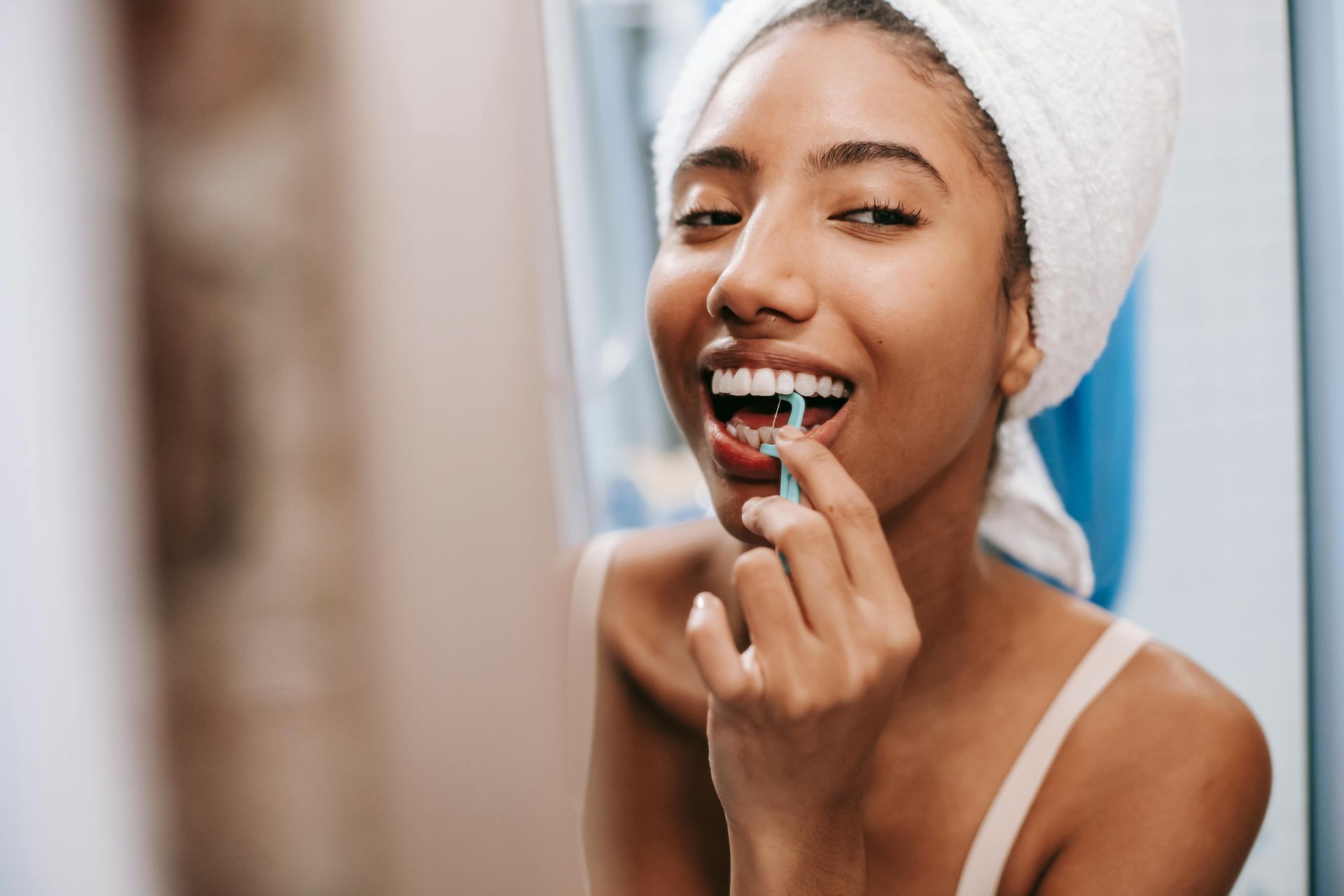
Flossing is an integral part of an oral hygiene routine and is necessary for removing plaque and food particles that a toothbrush cannot reach. Skipping flossing can lead to gum disease and tooth decay between the teeth. Regular dental check-ups often highlight the importance of flossing as it prevents dental issues that can otherwise go unnoticed until they become more serious.
Myth 5: Mouthwash is a substitute for brushing and flossing
While mouthwash is a useful addition to your oral care routine, it is not a standalone solution. It can help to freshen breath and may contain ingredients to help fight gum disease and tooth decay, but it does not physically remove plaque and food particles like brushing and flossing do. For optimal dental health, mouthwash should be used in conjunction with, rather than as a substitute for, regular brushing, flossing, and dental checkups.
Maintaining proper oral hygiene practices, including gentle brushing, regular flossing, and routine check-ups, greatly contributes to a healthy smile. By understanding and dismissing these myths, you can take proactive steps to foster a robust oral health routine that safeguards your permanent teeth and preserves your oral hygiene for years to come.
Essential Facts About Oral Hygiene
Maintaining oral hygiene is a critical part of ensuring a healthy smile and preventing dental problems. While there are numerous tips and tricks out there for keeping teeth clean and gums healthy, it is vital to distinguish the facts from the myths. Here, we delve into some essential facts about oral hygiene that everyone should know to maintain optimal dental health.
Fact 1: Gentle brushing protects enamel
Harsh or aggressive brushing may seem like a good way to ensure cleaner teeth, but it can actually do more harm than good. Vigorous brushing can lead to gum recession and wear away the tooth enamel, the hard outer layer of the teeth that protects them from tooth decay.
To protect enamel and prevent tooth sensitivity, use a soft-bristled toothbrush and apply gentle pressure in a circular motion. This approach helps to thoroughly clean the teeth without causing damage to the enamel. Replacing your toothbrush every three to four months is also recommended to ensure the bristles are effective in removing plaque and food particles.
Fact 2: A balanced diet supports oral health
What we eat has a direct impact on our oral health. A balanced diet rich in vitamins, minerals, and nutrients not only supports overall well-being but also plays a significant role in preventing tooth decay and gum disease. Foods high in sugars and carbohydrates feed the bacteria that cause plaque, which can lead to dental issues if not managed.
In contrast, foods such as dairy products, lean proteins, nuts, fruits, and vegetables can help in preserving healthy teeth and gums. Additionally, drinking plenty of water helps rinse away food particles and neutralize harmful acids produced by bacteria.
Fact 3: Regular dental checkups are essential
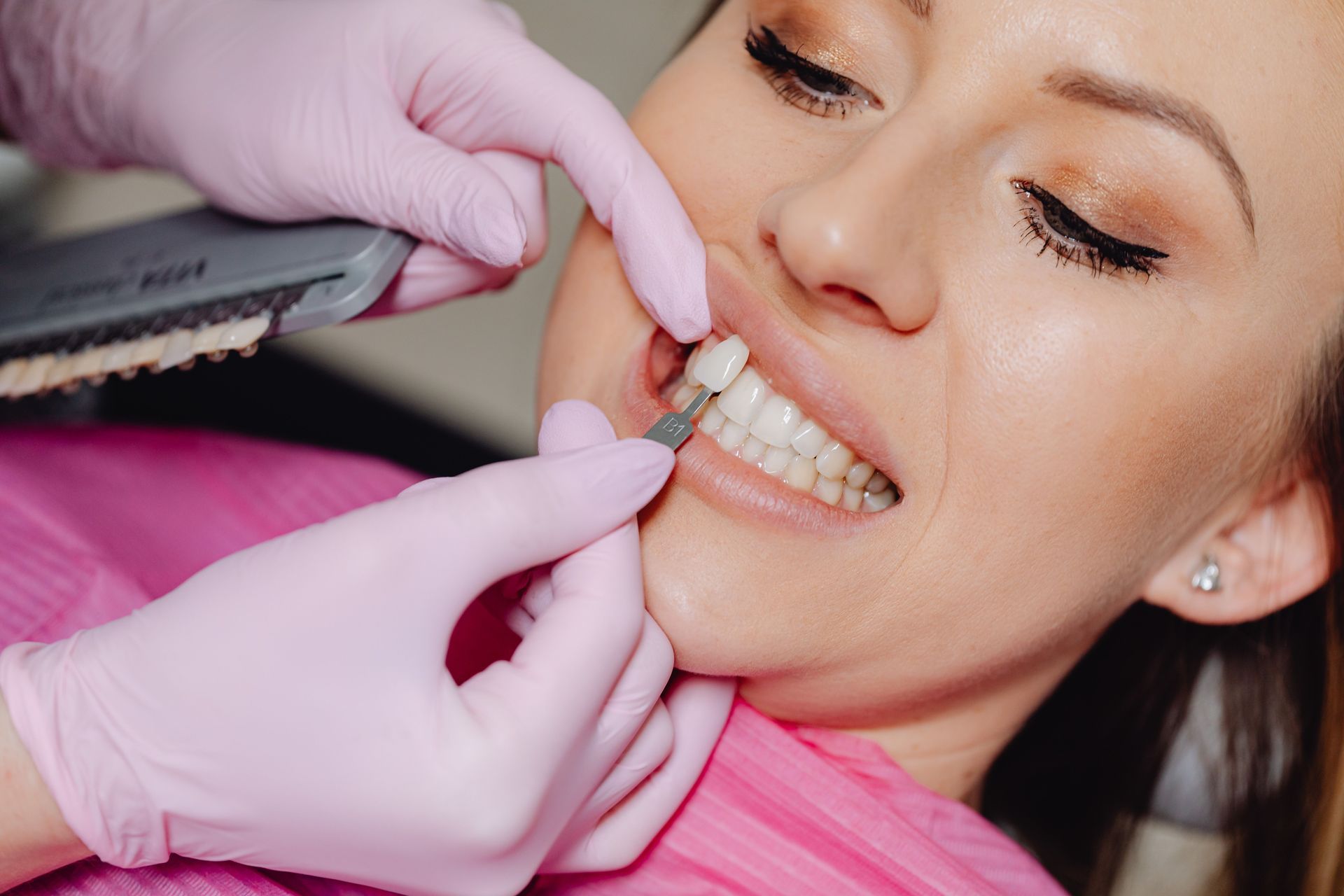
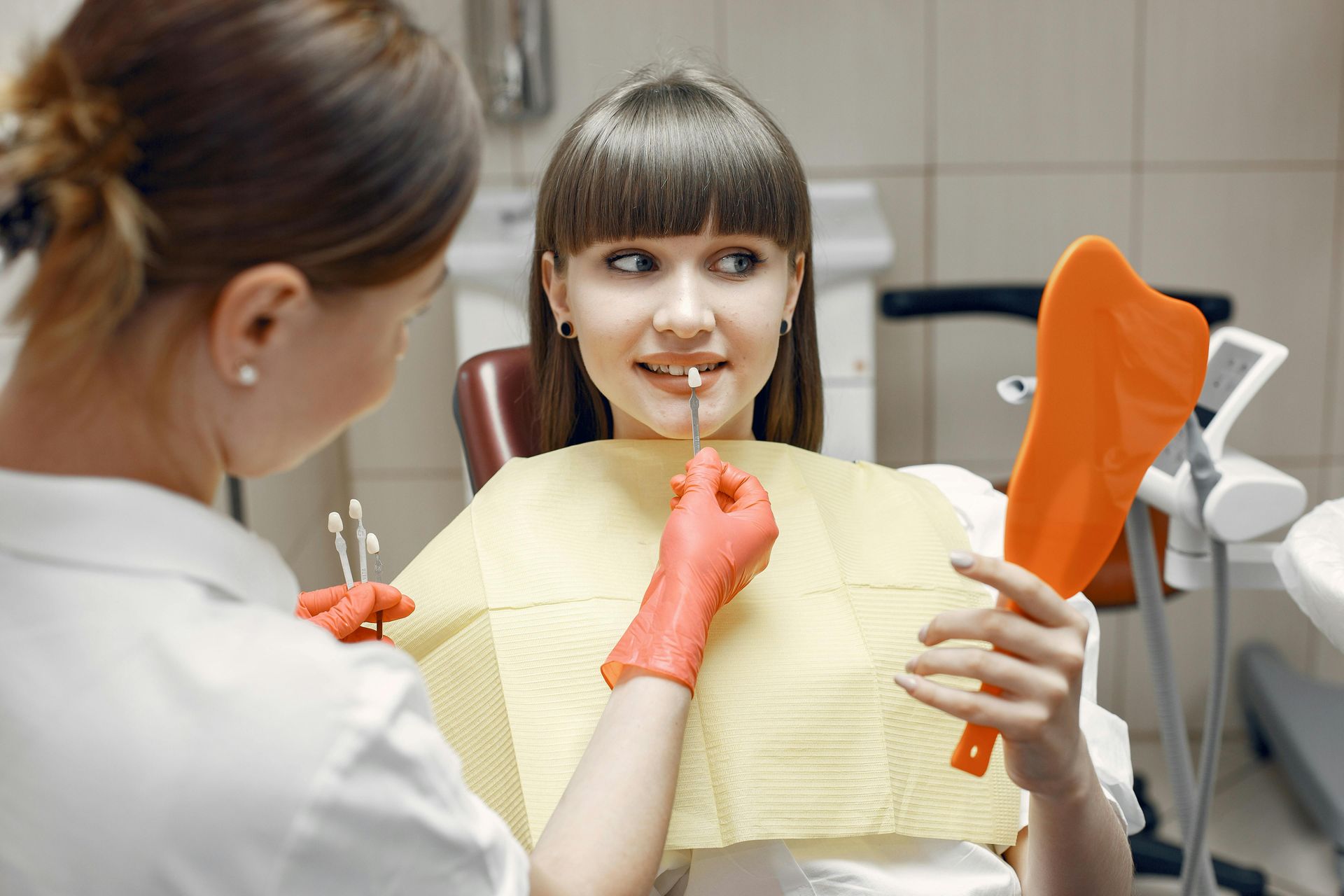
Even with a diligent oral hygiene routine at home, regular dental checkups are indispensable. Dental professionals can detect early signs of gum disease, tooth decay, and other dental issues before they become serious.
Routine check-ups, typically recommended every six months, also offer an opportunity for professional cleanings that combat tartar and hard-to-reach plaque buildup that could contribute to gum disease and tooth decay.
Fact 4: Oral hygiene is linked to overall health
Oral hygiene is not just about maintaining a healthy smile; it is intricately linked to our overall health. Poor oral hygiene has been associated with several systemic conditions, such as cardiovascular disease, diabetes, and even certain types of cancer. This connection exists because the mouth can serve as an entry point for harmful bacteria to enter the bloodstream, potentially leading to inflammatory responses elsewhere in the body.
Therefore, establishing a strong oral care routine, including regular brushing, flossing, and dental checkups, plays an essential role in maintaining not only dental health but also general health.
By adhering to these essential facts - gentle brushing to protect enamel, eating a balanced diet, going for regular dental check-ups, and recognizing the connection between oral and overall health - you can fortify your oral hygiene practices for a lifetime of healthy teeth and gums. Remember, oral hygiene is a critical investment in your overall wellness, so cultivate good oral hygiene habits today for a brighter, healthier tomorrow.
If you would like to schedule your check-up, call us today at 647-955-3235 to make an appointment for a general check-up and detect possible warning signs. At Bogart Dental, dentistry in Scarborough we offer only what you need.