By Elizabet Uzel
•
July 21, 2026
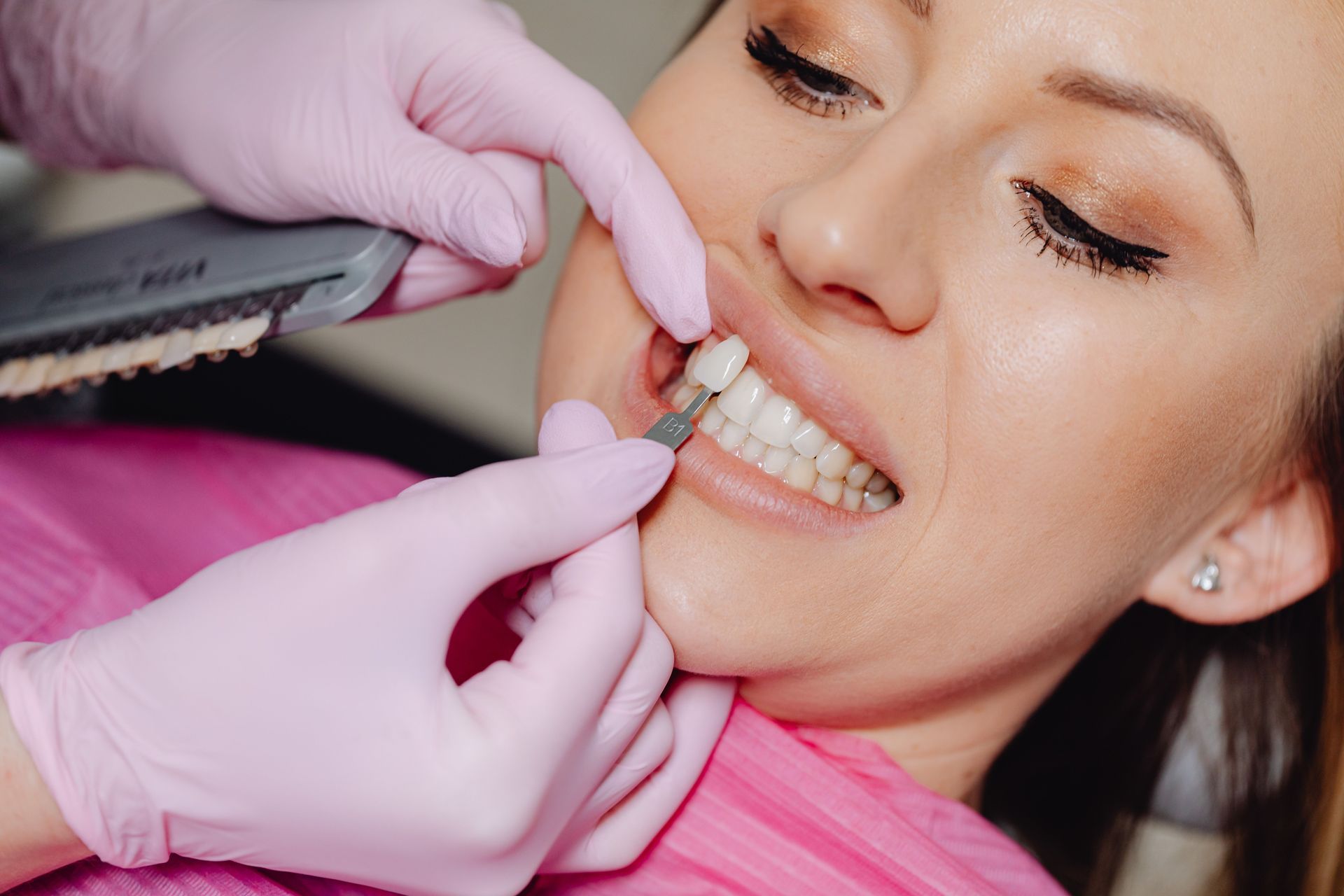
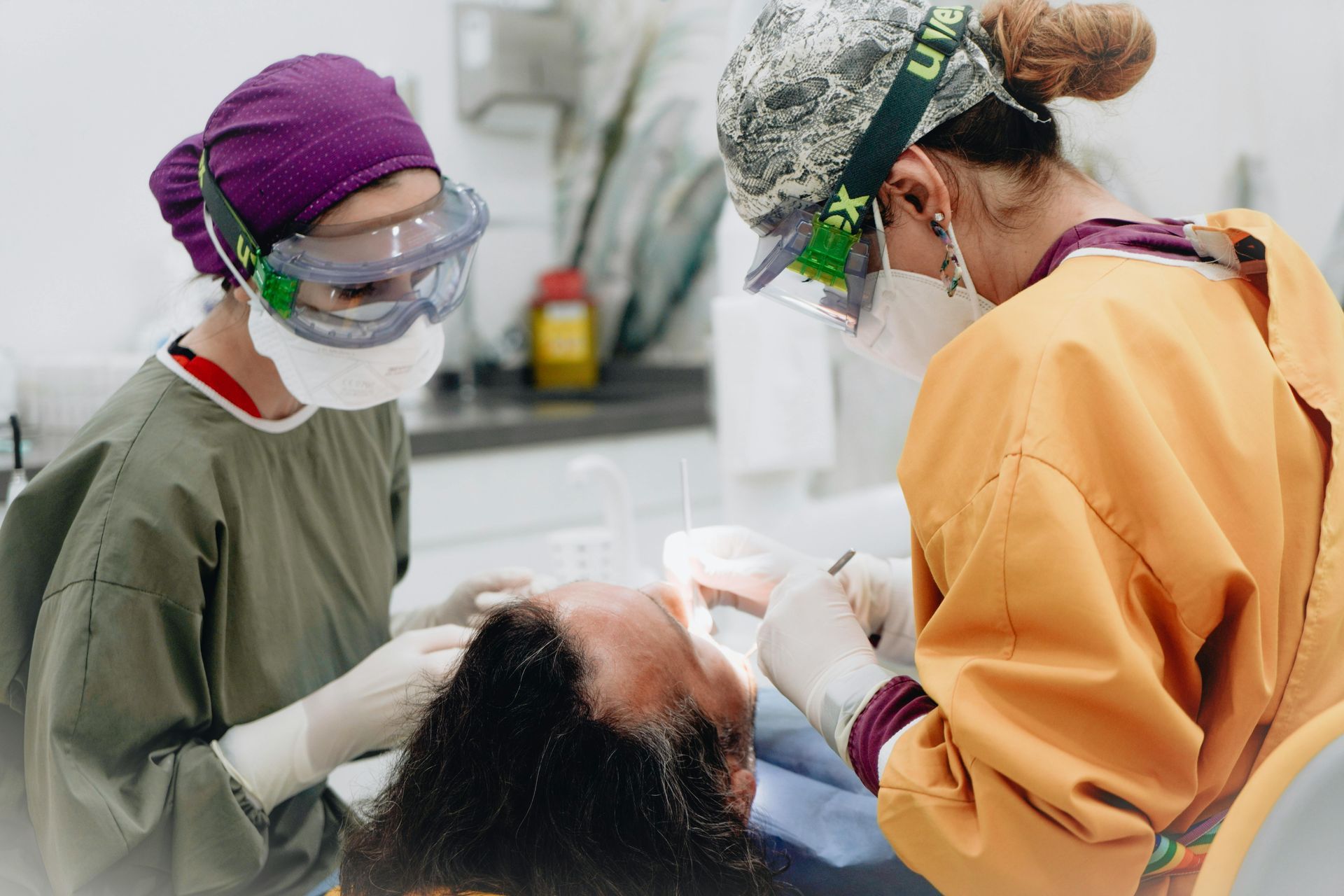
A chipped tooth can happen when you least expect it. Whether you bit into something hard, suffered a sports injury, or experienced an accidental fall, seeing a piece of your tooth break off can be alarming. The good news is that many chipped teeth can be repaired quickly and effectively with modern dental treatments. If you've chipped a tooth, knowing what to do next can help reduce discomfort and protect your smile until you can visit your dentist. Step 1: Stay Calm and Assess the Damage Not every chipped tooth is a dental emergency. Some chips are small and only affect the outer enamel, while others expose deeper layers of the tooth and require immediate care. Take a look at the affected tooth in a mirror if possible. If you notice severe pain, significant bleeding, or a large portion of the tooth has broken off, contact your dentist as soon as possible. Step 2: Rinse Your Mouth Gently rinse your mouth with warm water to remove any debris and help keep the area clean. If the injury caused bleeding, apply gentle pressure with a clean piece of gauze until it stops. Step 3: Save Any Broken Pieces If you can find the chipped fragment, carefully pick it up and store it in a clean container or a small amount of milk. While it's not always possible to reattach the piece, bringing it to your dental appointment gives your dentist the opportunity to determine whether it can be used during treatment. Step 4: Protect the Tooth A chipped tooth may have sharp edges that can irritate your tongue, lips, or cheeks. If needed, cover the rough edge with temporary dental wax, available at most pharmacies, until you can see your dentist. Avoid chewing on the affected side of your mouth and stick to soft foods until the tooth has been evaluated. Step 5: Manage Discomfort If you're experiencing pain or sensitivity, consider: Taking an over-the-counter pain reliever as directed. Applying a cold compress to the outside of your cheek for 10–15 minutes at a time to reduce swelling. Avoiding extremely hot, cold, sugary, or acidic foods and beverages that may trigger sensitivity. When Should You See a Dentist? Even if the chip seems minor, it's important to schedule a dental examination. A small crack can weaken the tooth and increase the risk of further damage or decay if left untreated. Seek prompt dental care if you experience: Severe or persistent tooth pain Sensitivity that doesn't improve A large piece of the tooth has broken off The tooth appears cracked down to the gumline Swelling, bleeding, or signs of infection Difficulty biting or chewing How Dentists Repair Chipped Teeth The best treatment depends on the size and location of the chip. Your dentist may recommend one of the following options: Dental Bonding For small chips, tooth-coloured composite resin can be carefully shaped and polished to restore the tooth's natural appearance. Dental bonding is often completed in a single visit. Dental Veneers If the chip affects a front tooth or involves cosmetic concerns, a porcelain veneer may be recommended to restore both appearance and strength. Dental Crowns For larger fractures that weaken the tooth, a dental crown provides full coverage and protection while restoring function. Root Canal Treatment If the chip exposes the tooth's nerve or causes significant damage to the pulp, root canal therapy may be necessary before restoring the tooth with a crown. Can a Chipped Tooth Heal on Its Own? Unlike other parts of your body, tooth enamel does not regenerate. A chipped tooth won't repair itself, even if it doesn't hurt. That's why prompt dental care is important to prevent further damage and maintain your oral health. Tips to Prevent Chipped Teeth While accidents can't always be avoided, you can reduce your risk by: Wearing a mouthguard during contact sports. Avoiding chewing on ice, hard candies, or popcorn kernels. Never using your teeth to open packages or bottles. Wearing a nightguard if you grind or clench your teeth. Visiting your dentist regularly for preventive care and early detection of weakened teeth. Don't Ignore a Chipped Tooth A chipped tooth may seem like a minor inconvenience, but delaying treatment can lead to bigger dental problems. Early evaluation allows your dentist to recommend the most conservative and effective treatment, helping you preserve your natural tooth and avoid more extensive procedures later. If you've chipped a tooth, contact our dental team as soon as possible. We're here to provide prompt, compassionate care and restore your smile with treatment tailored to your needs. At Bogart Dental we offer only what you need dentistry in Scarborough. Call us today at 416-222-82-96 for a general review to discuss the best procedure for you.