COVID-19 Vaccines: 7 Things Your Dentist Wants You to Know

COVID-19 Vaccines: 7 Things Your Dentist Wants You to Know


1. The Vaccines are Safe and Effective

As doctors of oral health, credible scientific information is important to us when recommending treatments for our patients. While these vaccines were developed in a shorter time frame than some other vaccines, it’s important to know that the science behind them was not rushed. And by mid-November, 193 million people in the US were fully vaccinated.

As an additional safety measure, the CDC has set up expanded safety monitoring systems like the V-Safe smartphone tool to monitor vaccinations in real time. These systems have shown that serious side effects are rare. 


2. The Vaccine Won’t Make You Sick, But It Does Have Some Side Effects

There is no possible way COVID-19 vaccines can give you COVID-19. They might, however, come with some side effects that make you feel uncomfortable for a short time.

Because vaccines teach your body how to recognize and fight off a COVID-19 infection, you might feel some of the symptoms you’d get if your body were fighting off the real virus, such as a fever, according to the CDC. While unpleasant, this is actually a sign the vaccine is working in your body.


3. You Should Still Get the Vaccine Even If You’ve Had COVID-19

Those who have recovered from COVID-19 have some natural immunity that may protect them from getting sick again. Data from the CDC shows that vaccination of people who have had COVID-19 significantly improves their level of protection against being infected again and against having serious COVID-19 illness. The CDC recommends that people who’ve had COVID-19 still get the vaccine.


4. Get All Recommended Doses

Generally, if you are receiving the Pfizer or Moderna vaccines, you need two doses to get the same level of efficacy seen in the clinical trials. For the Pfizer vaccine, the second dose is recommended three weeks after the first. For the Moderna vaccine, the second dose is recommended four weeks after the first. And if you get the Johnson & Johnson vaccine, you only need a single dose.

Everyone 16 and older can get a booster shot. If you received Moderna or Pfizer, you can get a booster six months after your second dose. If you received Johnson & Johnson, you are eligible for a booster two months after their first dose.

You can also choose to “mix or match” your booster vaccine. The CDC’s recommendations allow for people to choose whether to receive the same vaccine as their initial doses or a different booster type. Visit the CDC’s website for the most up-to-date guidance around boosters or talk to your healthcare provide.


5. Vaccine Eligibility Expands to All Americans 5 and Older 

  • Anyone 5 and older can now receive a COVID-19 vaccine. Children and adolescents 5 – 17 are eligible to receive the Pfizer vaccine, and anyone 18 or older may receive any of the currently available vaccines.


6. Mask Guidance: Depends on the Environment

Vaccines can help you resume the activities you enjoyed doing most before the pandemic. Being vaccinated is your best protection against becoming seriously ill with COVID-19. 

However, with the rise of the more infectious Delta and now the Omicron variant, the CDC has updated its guidance to recommend that everyone – regardless of vaccination status – wear masks in public indoor settings and even outside in areas with crowds. This is because these variants are very effective at infecting people who aren’t vaccinated, including those too young to be vaccinated. These variants can even infect some people who have been vaccinated and, even though the vaccine prevents them from getting seriously ill, they can spread the virus to others.
 

7. You Can Get the Vaccine If You Are Planning to Get Pregnant

The American College of Obstetrics and Gynecology (ACOG) recommends vaccination for those who are pregnant. Whether you are planning to get pregnant soon or in the future, you should still get the vaccine when it is available to you. The CDC states there is no evidence that the antibodies created from COVID-19 vaccines will cause problems with a pregnancy. The CDC also says there is no evidence that fertility issues are a side effect of the COVID-19 vaccine, or any other vaccine.


At Bogart Dental Clinic we know how crazy the world is around us right now and how unpredictable everything is. We are here to answer any questions or concerns you may have. Feel free to give us a call at 647-955-3235 at anytime and one of our staff members will be more than happy to assist you in any questions you have. We are here to provide you and your family with safe, soothing, affordable dentistry here in Scarborough.
By Elizabet Uzel July 21, 2026
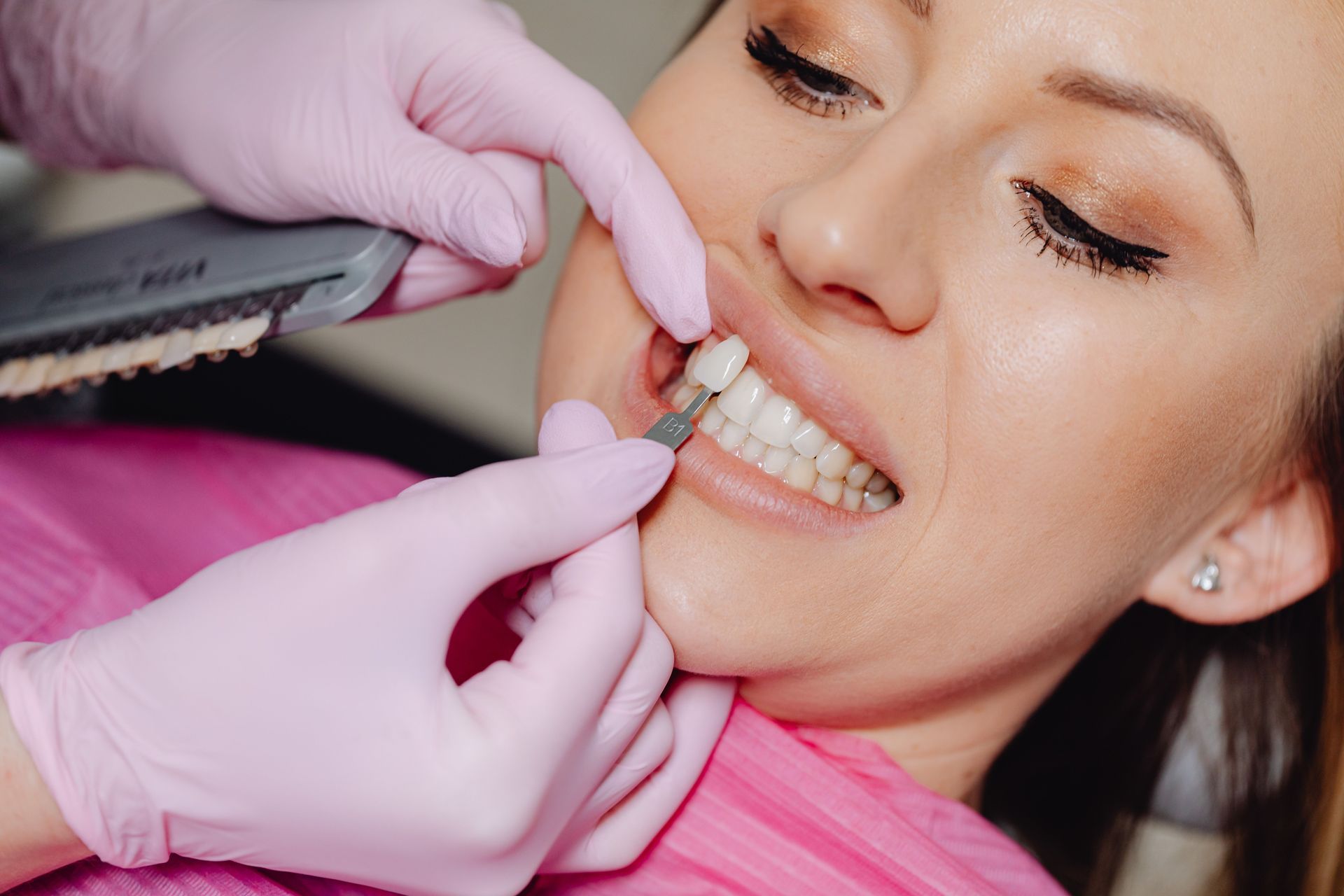
A chipped tooth can happen when you least expect it. Whether you bit into something hard, suffered a sports injury, or experienced an accidental fall, seeing a piece of your tooth break off can be alarming. The good news is that many chipped teeth can be repaired quickly and effectively with modern dental treatments. If you've chipped a tooth, knowing what to do next can help reduce discomfort and protect your smile until you can visit your dentist. Step 1: Stay Calm and Assess the Damage Not every chipped tooth is a dental emergency. Some chips are small and only affect the outer enamel, while others expose deeper layers of the tooth and require immediate care. Take a look at the affected tooth in a mirror if possible. If you notice severe pain, significant bleeding, or a large portion of the tooth has broken off, contact your dentist as soon as possible. Step 2: Rinse Your Mouth Gently rinse your mouth with warm water to remove any debris and help keep the area clean. If the injury caused bleeding, apply gentle pressure with a clean piece of gauze until it stops. Step 3: Save Any Broken Pieces If you can find the chipped fragment, carefully pick it up and store it in a clean container or a small amount of milk. While it's not always possible to reattach the piece, bringing it to your dental appointment gives your dentist the opportunity to determine whether it can be used during treatment. Step 4: Protect the Tooth A chipped tooth may have sharp edges that can irritate your tongue, lips, or cheeks. If needed, cover the rough edge with temporary dental wax, available at most pharmacies, until you can see your dentist. Avoid chewing on the affected side of your mouth and stick to soft foods until the tooth has been evaluated. Step 5: Manage Discomfort If you're experiencing pain or sensitivity, consider: Taking an over-the-counter pain reliever as directed. Applying a cold compress to the outside of your cheek for 10–15 minutes at a time to reduce swelling. Avoiding extremely hot, cold, sugary, or acidic foods and beverages that may trigger sensitivity. When Should You See a Dentist? Even if the chip seems minor, it's important to schedule a dental examination. A small crack can weaken the tooth and increase the risk of further damage or decay if left untreated. Seek prompt dental care if you experience: Severe or persistent tooth pain Sensitivity that doesn't improve A large piece of the tooth has broken off The tooth appears cracked down to the gumline Swelling, bleeding, or signs of infection Difficulty biting or chewing How Dentists Repair Chipped Teeth The best treatment depends on the size and location of the chip. Your dentist may recommend one of the following options: Dental Bonding For small chips, tooth-coloured composite resin can be carefully shaped and polished to restore the tooth's natural appearance. Dental bonding is often completed in a single visit. Dental Veneers If the chip affects a front tooth or involves cosmetic concerns, a porcelain veneer may be recommended to restore both appearance and strength. Dental Crowns For larger fractures that weaken the tooth, a dental crown provides full coverage and protection while restoring function. Root Canal Treatment If the chip exposes the tooth's nerve or causes significant damage to the pulp, root canal therapy may be necessary before restoring the tooth with a crown. Can a Chipped Tooth Heal on Its Own? Unlike other parts of your body, tooth enamel does not regenerate. A chipped tooth won't repair itself, even if it doesn't hurt. That's why prompt dental care is important to prevent further damage and maintain your oral health. Tips to Prevent Chipped Teeth While accidents can't always be avoided, you can reduce your risk by: Wearing a mouthguard during contact sports. Avoiding chewing on ice, hard candies, or popcorn kernels. Never using your teeth to open packages or bottles. Wearing a nightguard if you grind or clench your teeth. Visiting your dentist regularly for preventive care and early detection of weakened teeth. Don't Ignore a Chipped Tooth A chipped tooth may seem like a minor inconvenience, but delaying treatment can lead to bigger dental problems. Early evaluation allows your dentist to recommend the most conservative and effective treatment, helping you preserve your natural tooth and avoid more extensive procedures later. If you've chipped a tooth, contact our dental team as soon as possible. We're here to provide prompt, compassionate care and restore your smile with treatment tailored to your needs. At Bogart Dental we offer only what you need dentistry in Scarborough. Call us today at 416-222-82-96 for a general review to discuss the best procedure for you.
By Elizabet Uzel February 25, 2026
What to Know Before You Brighten Your Smile
By Elizabet Uzel October 28, 2025
What Are Veneers?
May 12, 2025
Path to a Healthier Smile
By Elizabet Uzel May 1, 2025
The Importance of Establishing Dental Habits
By Angela Serrano December 11, 2024
What is Invisalign?
By Angela Serrano December 6, 2024
Benefits of Clear Aligners
By Angela Serrano November 28, 2024
The Impact of Stress on Oral Health
By Angela Serrano November 15, 2024
The Oral-Heart Connection
By Angela Serrano November 7, 2024
The Connection Between Dental Health and Self-Esteem