7 Ways to Calm Dental Anxiety and Fear of the Dentist

7 Ways to Calm Dental Anxiety and Fear of the Dentist


Learn Ways to Calm Nerves Before a Dentist Visit

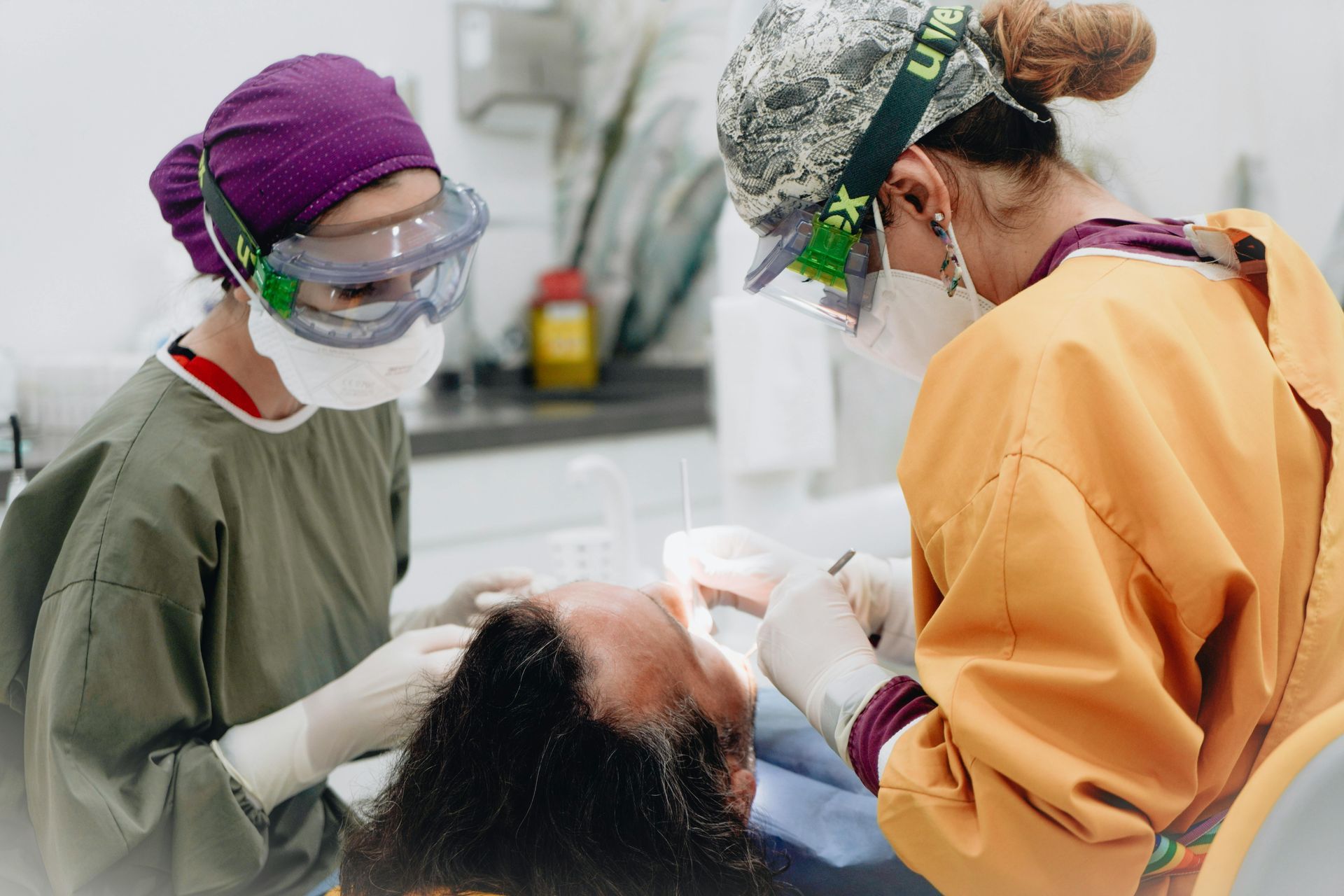
Many patients have a fear of the dentist and are looking for ways to calm down before coming in for an appointment. I know my colleagues and teams take pride in making our patients feel comfortable before, during, and after a routine cleaning or more involved procedure.


When thinking about ways to help my patients prepare for the dentist if they have dental anxiety, we came up with 7 quick tips to calm nerves before a dentist visit.

  1. Prepare to share your fears with your dentist. Being transparent about your fears allows your dentist to walk you through your procedure or routine cleaning in a way that is helpful to you and can calm your nerves. 
  2. Plan ahead. Schedule an appointment on a day where you won’t be really busy or in a rush to get somewhere directly after. This allows the body an opportunity to relax. 
  3. Watch your food and water intake. Before your appointment, avoid foods with high sugars or caffeine, as they may make you more jittery and contribute to your nerves. Instead, try something that has calming properties, like caffeine-free tea. 
  4. Practice a deep breathing technique. Remembering to breathe is a key component to staying calm and relaxed during a procedure or routine cleaning. 
  5. Visit your dentist regularly, avoid skipping or prolonging appointments. The fear of what could be wrong with your teeth may prevent you from feeling at ease coming to the dentist. When you see your dentist every six months, there are fewer unknowns and the process feels routine.
  6. Ask the doctor to explain the process with you beforehand. I always like to explain everything I am doing to my patient because I have found regardless of whether someone has dental anxiety, it has a calming effect. Just remind your care provider that this is helpful for you.
  7. Consider additional medication. In some cases, dentists may offer nitrous oxide (laughing gas) to patients who are anxious to allow them to relax and reduce nervousness. During larger procedures, your doctor may suggest sedation to ease nerves and make the process go more smoothly.

Every day I see multiple patients who have a fear of the dentist or have dental anxiety. In fact, fear of the dentist is actually very common. It’s important to inform your dental team of your concerns so we are aware and can make the process go more smoothly for you.

If you’re feeling insecure about your teeth or self-conscious, I like to remind my patients that my job isn’t to critique or judge your teeth or smile. My job is to provide high-quality care and expertise in order to treat any issues, making your mouth and teeth the healthiest they can be.

Dental Anxiety Treatment Options

We recognize that fear of the dentist and dental anxiety is very real. In extreme cases of dental anxiety, Dental Associates offers a few forms of sedation dentistry at different locations, and your dentist can help determine if sedation dentistry is the right choice for you. 

If your fear of the dentist prevents you from seeking treatment, you may see a deteriorated oral health over time. We recommend that you see your dentist as soon as possible and work with them to determine a way to provide the care you need in a way that makes you feel most comfortable. 


Our team at Bogart Dental prioritize patients’ oral health and want to help address in a caring way that can aid in overcoming dental anxiety and fear of the dentist. Give us a call today at 647-955-3235 where one of our staff members will be more than happy to answer any questions or concerns you may have prior to your appointment. We are here to offer just what you need, affordable dentistry in Scarborough.


By Elizabet Uzel July 21, 2026
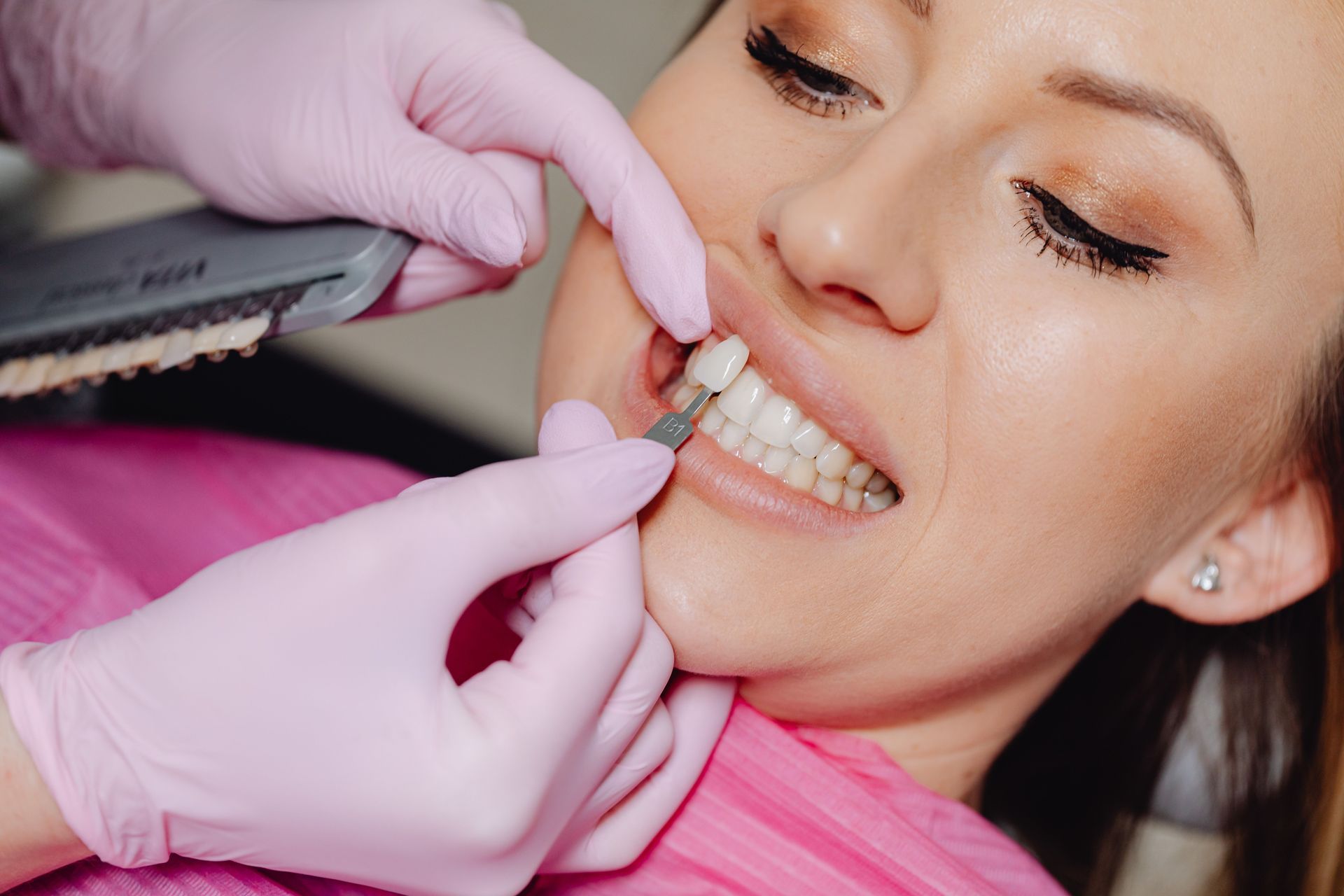
A chipped tooth can happen when you least expect it. Whether you bit into something hard, suffered a sports injury, or experienced an accidental fall, seeing a piece of your tooth break off can be alarming. The good news is that many chipped teeth can be repaired quickly and effectively with modern dental treatments. If you've chipped a tooth, knowing what to do next can help reduce discomfort and protect your smile until you can visit your dentist. Step 1: Stay Calm and Assess the Damage Not every chipped tooth is a dental emergency. Some chips are small and only affect the outer enamel, while others expose deeper layers of the tooth and require immediate care. Take a look at the affected tooth in a mirror if possible. If you notice severe pain, significant bleeding, or a large portion of the tooth has broken off, contact your dentist as soon as possible. Step 2: Rinse Your Mouth Gently rinse your mouth with warm water to remove any debris and help keep the area clean. If the injury caused bleeding, apply gentle pressure with a clean piece of gauze until it stops. Step 3: Save Any Broken Pieces If you can find the chipped fragment, carefully pick it up and store it in a clean container or a small amount of milk. While it's not always possible to reattach the piece, bringing it to your dental appointment gives your dentist the opportunity to determine whether it can be used during treatment. Step 4: Protect the Tooth A chipped tooth may have sharp edges that can irritate your tongue, lips, or cheeks. If needed, cover the rough edge with temporary dental wax, available at most pharmacies, until you can see your dentist. Avoid chewing on the affected side of your mouth and stick to soft foods until the tooth has been evaluated. Step 5: Manage Discomfort If you're experiencing pain or sensitivity, consider: Taking an over-the-counter pain reliever as directed. Applying a cold compress to the outside of your cheek for 10–15 minutes at a time to reduce swelling. Avoiding extremely hot, cold, sugary, or acidic foods and beverages that may trigger sensitivity. When Should You See a Dentist? Even if the chip seems minor, it's important to schedule a dental examination. A small crack can weaken the tooth and increase the risk of further damage or decay if left untreated. Seek prompt dental care if you experience: Severe or persistent tooth pain Sensitivity that doesn't improve A large piece of the tooth has broken off The tooth appears cracked down to the gumline Swelling, bleeding, or signs of infection Difficulty biting or chewing How Dentists Repair Chipped Teeth The best treatment depends on the size and location of the chip. Your dentist may recommend one of the following options: Dental Bonding For small chips, tooth-coloured composite resin can be carefully shaped and polished to restore the tooth's natural appearance. Dental bonding is often completed in a single visit. Dental Veneers If the chip affects a front tooth or involves cosmetic concerns, a porcelain veneer may be recommended to restore both appearance and strength. Dental Crowns For larger fractures that weaken the tooth, a dental crown provides full coverage and protection while restoring function. Root Canal Treatment If the chip exposes the tooth's nerve or causes significant damage to the pulp, root canal therapy may be necessary before restoring the tooth with a crown. Can a Chipped Tooth Heal on Its Own? Unlike other parts of your body, tooth enamel does not regenerate. A chipped tooth won't repair itself, even if it doesn't hurt. That's why prompt dental care is important to prevent further damage and maintain your oral health. Tips to Prevent Chipped Teeth While accidents can't always be avoided, you can reduce your risk by: Wearing a mouthguard during contact sports. Avoiding chewing on ice, hard candies, or popcorn kernels. Never using your teeth to open packages or bottles. Wearing a nightguard if you grind or clench your teeth. Visiting your dentist regularly for preventive care and early detection of weakened teeth. Don't Ignore a Chipped Tooth A chipped tooth may seem like a minor inconvenience, but delaying treatment can lead to bigger dental problems. Early evaluation allows your dentist to recommend the most conservative and effective treatment, helping you preserve your natural tooth and avoid more extensive procedures later. If you've chipped a tooth, contact our dental team as soon as possible. We're here to provide prompt, compassionate care and restore your smile with treatment tailored to your needs. At Bogart Dental we offer only what you need dentistry in Scarborough. Call us today at 416-222-82-96 for a general review to discuss the best procedure for you.
By Elizabet Uzel February 25, 2026
What to Know Before You Brighten Your Smile
By Elizabet Uzel October 28, 2025
What Are Veneers?
May 12, 2025
Path to a Healthier Smile
By Elizabet Uzel May 1, 2025
The Importance of Establishing Dental Habits
By Angela Serrano December 11, 2024
What is Invisalign?
By Angela Serrano December 6, 2024
Benefits of Clear Aligners
By Angela Serrano November 28, 2024
The Impact of Stress on Oral Health
By Angela Serrano November 15, 2024
The Oral-Heart Connection
By Angela Serrano November 7, 2024
The Connection Between Dental Health and Self-Esteem